
Japan Prepares 'Weapon' to Counter Iran War Impact, Worth Rp336 Trillion
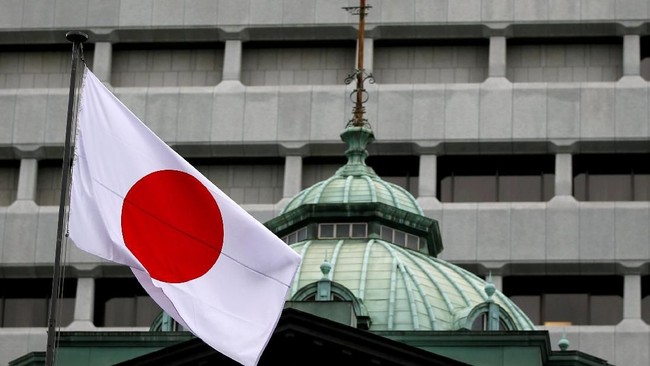
The Japanese government plans to draft a supplementary budget of US$19 billion (Rp336.83 trillion), equivalent to ¥3 trillion, to assist households struggling with rising living costs due to the Iran conflict. Prime Minister Sanae Takaichi stated that the substantial funding would be used to curb rising prices of petrol, electricity, and gas amid the ongoing instability in the Middle East. This tactical move aims to minimise economic risks and ensure the country’s financial preparedness for external shocks, as stated by the prime minister during a press briefing on Monday, 25 May 2026. “With a focus on risk mitigation, we have prepared a supplementary budget to ensure full financial readiness,” Takaichi said. Takaichi added that the supplementary budget bill will be submitted to parliament next week. The war’s supply chain disruptions have even affected niche Japanese industries, such as leading potato chip manufacturer Calbee. This month, Calbee introduced grey packaging for its 14 product lines to replace the usual orange and yellow wrappers. Local media reported the change was necessitated by ink shortages linked to the Iran war’s impact. Despite industrial disruptions, Takaichi affirmed the government expects domestic oil supplies to remain secure. “The government anticipates securing stable oil supplies until next spring,” Takaichi said. Additionally, Takaichi noted that alternative supplies of naphtha—a petroleum byproduct widely used across industries—are improving. Alternative naphtha imports from outside the Middle East have recovered to over 80% of pre-war levels. Japan’s central bank recently raised its inflation forecast while cutting economic growth projections following a sharp surge in global crude oil prices due to the Iran war. “Rising crude oil prices are projected to fuel price hikes, particularly in energy and goods, with wage increases continuing to be passed on to retail prices,” the central bank said.