
Japan Discovers New Magma in Kikai Caldera, Indonesia Urged to Stay Alert for Toba
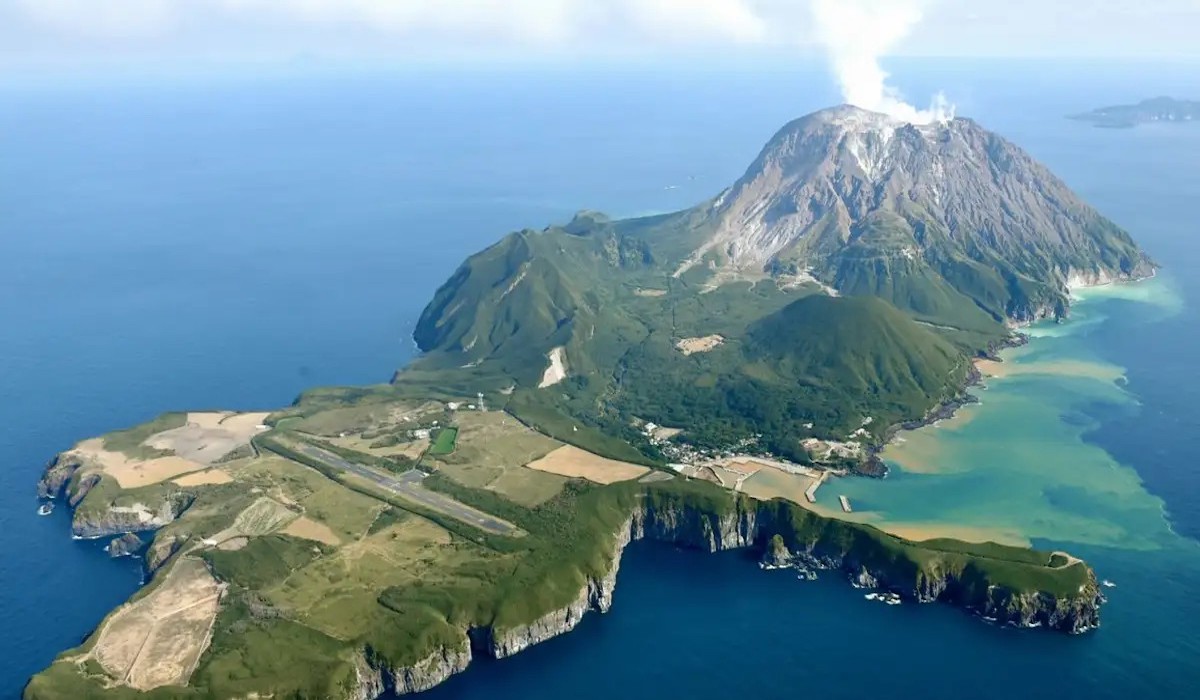
A recent study by a team of Japanese scientists has revealed that the Kikai Caldera is not extinct. The research, published in the journal Nature Communications Earth & Environment, shows the presence of a large magma reservoir beneath the seabed of Kikai, off southern Japan.
Seismic data indicates that new magma is continuously entering the old system. Its depth is relatively shallow, about a few kilometres below the surface. This serves as a strong indicator that the volcanic system is undergoing a refilling process.
Researchers emphasise that this condition is not a sign of an imminent eruption; supervolcanoes can reactivate even after thousands of years of dormancy. Kikai itself last experienced a major eruption around 7,300 years ago.
This discovery is immediately noteworthy because magma refilling activity is considered an early phase in the long cycle of supervolcanoes.
Scientists explain that this process can take a very long time, potentially thousands to tens of thousands of years before a major eruption actually occurs. Thus, the situation does not yet fall into the emergency category.
However, large magma systems never truly stop; they merely remain dormant before reactivating slowly.
Indonesian social media has been abuzz with links to domestic conditions. Geology experts remind that the magmatic system beneath Lake Toba shares structural similarities with Kikai. The reservoir refilling process, or replenishment of the magma chamber, is a natural cycle that also occurs in Sumatra.
Seismic activity and ground deformation around the Toba Caldera must continue to be closely monitored. The discovery in Japan provides empirical evidence that supervolcanoes appearing calm on the surface can be highly active beneath. If Kikai is proven to be gathering new strength, then Toba, which has a far larger eruption scale in history, requires far more advanced technological oversight.
Researchers stress that the greatest threat from supervolcanoes is not routine small eruptions, but the silent accumulation of energy over hundreds to thousands of years.
With the discovery of new magma in Japan, the Indonesian government and relevant agencies are urged to strengthen data-based geoscience disaster mitigation. Toba is a sleeping giant, and every magma movement beneath it is vital information for the safety of millions of lives in the future.