
Japan Cautiously Responds to US Request on Tanker Escort
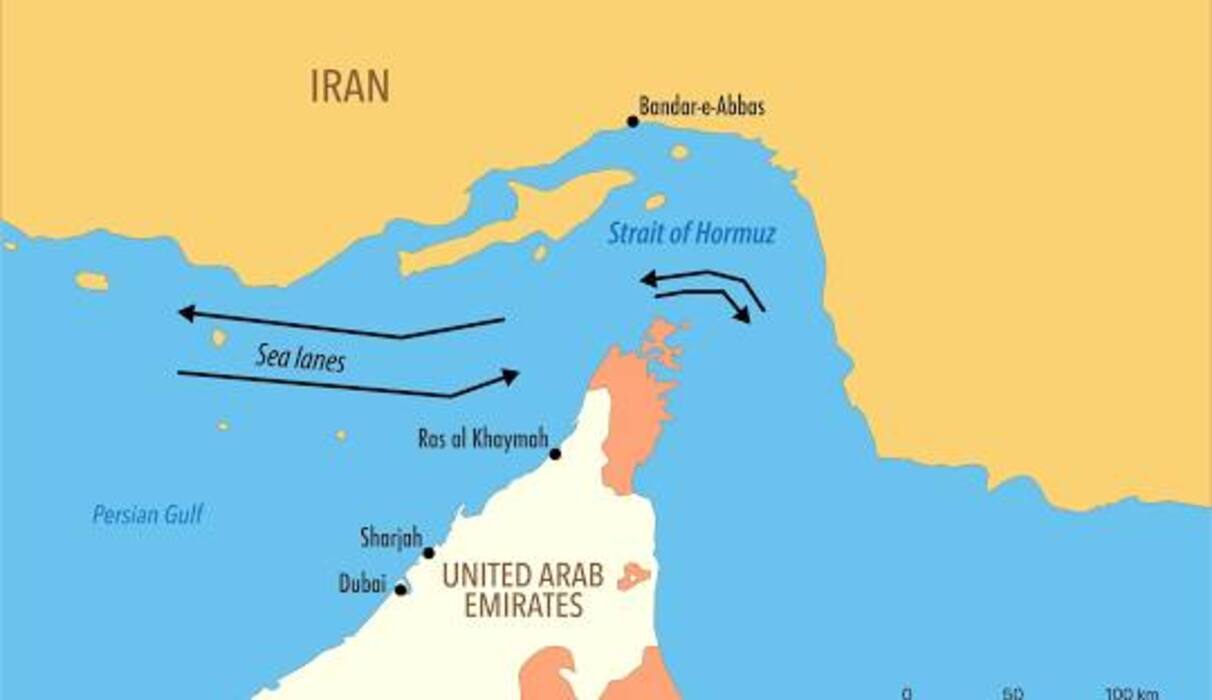
The Japanese government is considering deploying naval ships to the Strait of Hormuz following US President Donald Trump’s request for allied nations to assist in escorting oil tankers amid escalating conflict with Iran, which has triggered a surge in global energy prices.
Tensions in the Gulf region persist two weeks after the US and Israel launched military strikes against Iran. The conflict has driven a spike in global oil prices after Tehran closed the Strait of Hormuz—a vital conduit for global energy distribution—and attacked several energy facilities in the region.
Trump previously stated that the US Navy would begin escorting tankers in these waters and requested support from allied countries. This request has sparked internal discussions in Tokyo regarding the possibility of Japanese military involvement.
Takayuki Kobayashi, Japan’s senior policy adviser, stated that the decision to deploy naval vessels carries an extremely high threshold. “We are considering dispatching Japan Maritime Self-Defence Force vessels to the region based on applicable Japanese law,” he said, adding that whilst legally permissible, the ongoing conflict situation necessitates extremely careful deliberation.
For Japan, deploying defence personnel overseas remains a politically sensitive issue. The country adheres to pacifist principles established following World War II, and many citizens support the 1947 constitution, which rejects war as a tool of state policy.
Prime Minister Sanae Takaichi previously stressed that no formal decision has yet been made regarding the possible deployment of warships to the Middle East to escort oil tankers. Takaichi is scheduled to visit Washington this week to meet Trump, a meeting expected to address various issues, including Asia-Pacific regional security and the Iran conflict.
According to Kobayashi, the visit is expected to clarify Trump’s intentions regarding calls for other nations to strengthen security measures in the Strait of Hormuz. He also assessed that Tokyo-Washington dialogue is crucial to ensure no security vacuum emerges in the East Asia framework.
Japan is the world’s fifth-largest oil importer, with 95 per cent of its supplies originating from the Middle East and 70 per cent transiting the Strait of Hormuz, which is now effectively closed.