
Jambi and West Sumatra Must Collaborate to Protect Batanghari River from Pollution
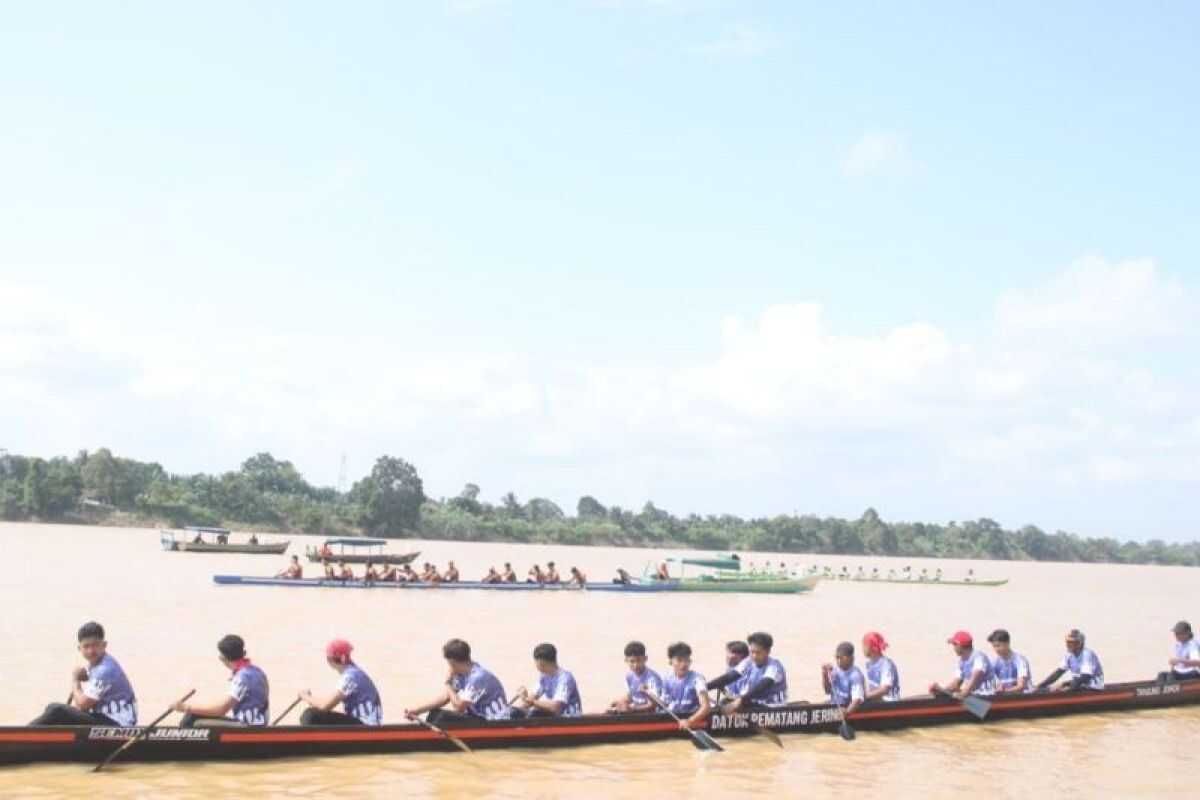
Jambi City (ANTARA) — The provinces of Jambi and West Sumatra need to collaborate in forging a commitment to curb water pollution in the Batanghari River caused by illegal gold mining (known locally as PETI) in the upper reaches.
“A commitment between Jambi and West Sumatra is needed, given that the Batanghari River flows across the administrative boundaries of both regions. Jambi cannot work alone,” said Ivan Wirata, Second Deputy Speaker of the Jambi Provincial Legislative Council (DPRD), in Jambi on Tuesday.
According to Ivan, collaboration between the two regions is essential to reduce mercury contamination from mining activities, as the Sumatra River Basin Authority (BWSS) responsible for managing the Batanghari River is currently divided into two jurisdictions. The downstream section in Jambi is managed by BWSS Region VI, whilst the upstream section falls under the authority of BWSS Region V.
Beyond cracking down on illegal mining in both areas, he said strategic and comprehensive measures based on environmental and economic considerations are needed to stem the tide of pollution. These include reforestation along the riverbanks to prevent erosion and maintain water volume, as well as dredging to clear sediment and increase the river’s capacity.
Both activities, he said, are necessary to open up opportunities for optimising waterway transport routes, including for the shipment of coal mining products.
Additionally, he stressed the importance of organising regular mass clean-up campaigns involving community members, the military, police, and environmental groups.
“Illegal mining in the upstream area is the primary cause of rising mercury levels and water turbidity. The impact is felt directly by the regional water utility (PDAM), where water treatment costs have become extremely expensive due to poor raw water conditions. Our PDAM costs are always high because of the turbidity of the Batanghari River,” he said.
Previously, Tedjo Sukmono, an academic from Jambi University, urged regional governments to draft local regulations establishing green zones along the Batanghari River as a step towards preserving the environment against the threat of fish habitat extinction.
“With the mounting pressures on the Batanghari River today from various issues, there is a need to create a policy involving all stakeholders. Because the river is a source of ecosystem life and clean water supply for PDAM,” he said.
Tedjo encouraged the government to form a joint consortium involving the BWSS and the Watershed Management Agency (BP-DAS) to reach agreements on designating land for vegetation needs as green zones.
Such a step is considered vital, he said, to preserve the environment along the Batanghari River whilst simultaneously developing habitats within it.