
Jakarta's Waste-to-Energy Power Plant Scheme to Partner with Danantara
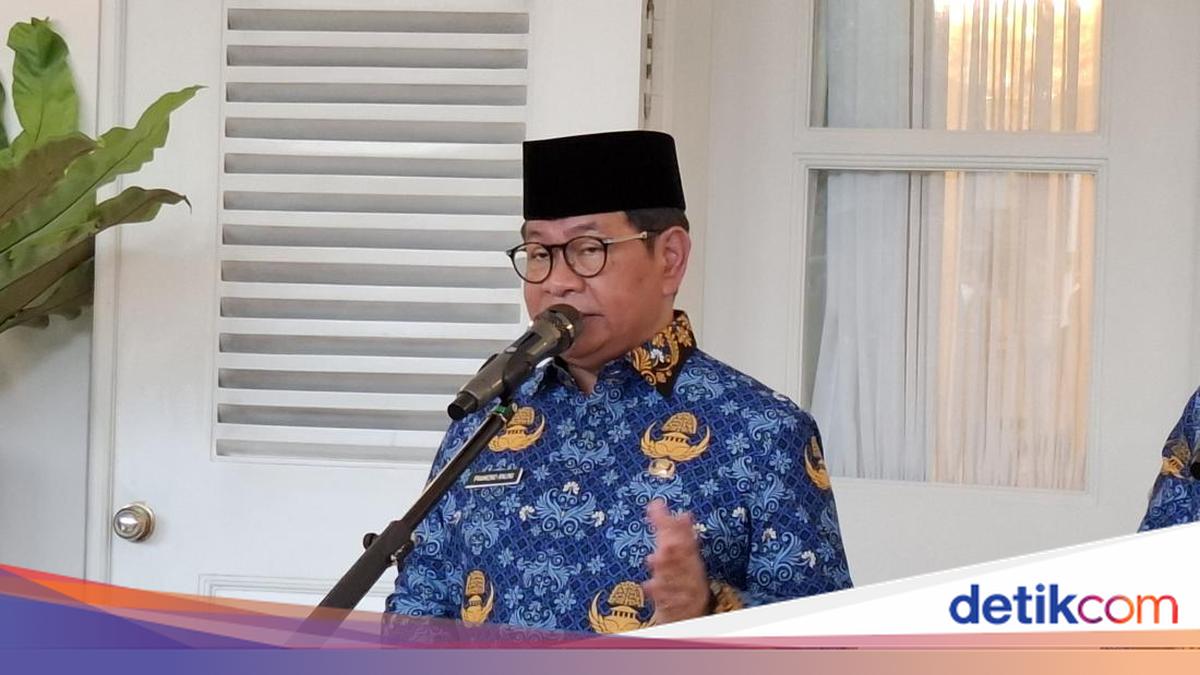
Thus, because in the near future an agreement will be drawn up between Danantara, the existing waste-to-energy operators, and of course the Government of DKI Jakarta. The three parties are responsible for managing issues relating to PLTS, said Pramono at Jakarta City Hall on Wednesday, 20 May 2026. Although the business model and the revenue sharing scheme are still being prepared, Pramono stressed that the central government has issued regulations on electricity tariffs for the PLTSa project. In his view, the rules will serve as a reference in the project s implementation.
“The most important thing is that the government has issued the regulation on the 20-sen tariff. This is for reference,” he said.
Pramono said that whether the PLTSa project is profitable will depend heavily on on-the-ground implementation. However, he assured that the Jakarta provincial government would provide full support to ensure the energy-based waste processing project runs.
“Later, whether it is profitable or not is a matter for the field, but what is clear is that Jakarta will provide full support,” he stated.
The DKI Jakarta provincial government, he continued, aims to commence construction of three PLTSa in Jakarta soon. The three locations are in the Bantar Gebang, Tanjungan, and Sunter areas.
“Jakarta, God willing, we will have three PLTS that we will start soon with contract signing and so on, one in Bantar Gebang, one in Tanjungan, one in Sunter,” he said.
In addition to PLTSa, Jakarta has facilities for Refuse Derived Fuel (RDF) in Rorotan and Bantar Gebang as part of its waste management strategy.
“But Jakarta also has what is called RDF at Rorotan and Bantar Gebang,” he added.
Pramono hopes that a combination of waste processing through PLTSa and RDF can help address Jakarta’s waste problem, which currently reaches almost 9,000 tonnes per day.
“Thus, if this progresses smoothly, God willing, hopefully Jakarta’s waste problem, the waste balance that used to be almost 9,000 per day, InsyaAllah will be absorbed on the ground,” he concluded.