
Jakarta's Waste Management Draws Attention as DPRD Urges More Comprehensive Evaluation
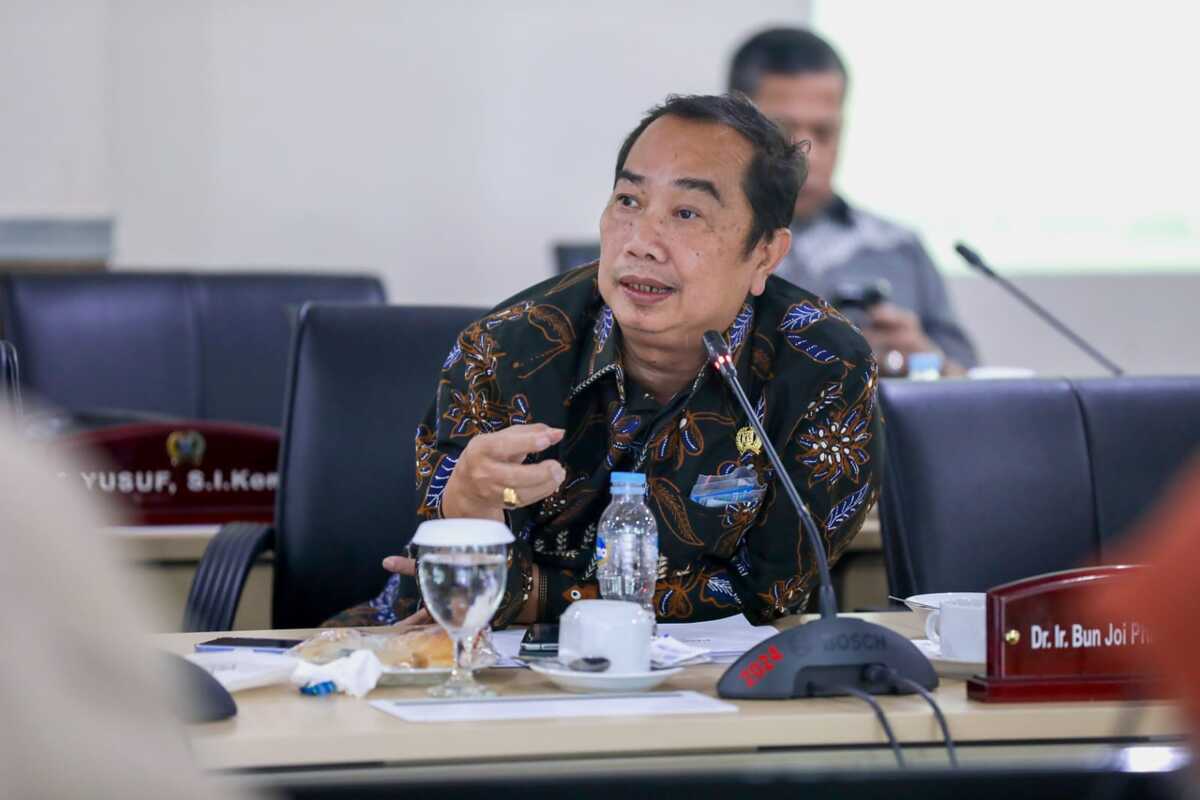
Jakarta’s waste management has drawn public attention again. A Jakarta DPRD member from the PSI faction, Bun Joi Phiau, voiced the need to overhaul waste governance at the Jakarta DPRD office on Wednesday (4 March). She pointed to several challenges in the capital’s waste management system, including piles of waste at Temporary Dumping Sites (TPS), operational supervision that needs strengthening, and dynamics around facilities such as the RDF at Rorotan. These conditions indicate the current system still requires optimisation. In some areas, TPS frequently spill over onto the roadway. This affects not only comfort and cleanliness but also poses potential health risks and traffic congestion. Problems like late collection, limited fleet, and supervision that is not yet optimal remain substantive tasks to be addressed continuously. Attention also focused on RDF Rorotan, which was projected to be a modern solution for waste processing. During its operation, residents’ feedback, especially about odour and readiness of the management system, prompted the view that further evaluation is needed so that technology-based facilities can operate more optimally and as expected. According to Bun, the city still needs to strengthen its waste reduction and processing efforts to yield more effective results. Therefore, she urged the DPRD to consider forming a Special Committee (Pansus) on Waste Management. A Pansus would provide a forum for deeper review of policies, budgeting, and the implementation of waste processing projects, including RDF and recycling programmes. ‘Waste issues in Jakarta are not just technical problems; they are governance issues and the seriousness of local government. If facilities have been built with large budgets but still cause problems, there must be a comprehensive evaluation. The DPRD should form a Pansus so oversight is more focused and in-depth,’ Bun said. Through the Pansus, it is hoped that an assessment can be made of the effectiveness of RDF projects and other processing facilities, scrutiny of budget transparency for waste management spending, tracing potential negligence or wastage, and the formulation of short- and long-term policy recommendations. An evaluative and measured approach is seen as essential to prevent prolonged waste issues. This moment is also regarded as an opportunity for the DPRD to strengthen its oversight function, so Jakarta’s waste management can be more effective, transparent, and increasingly aligned with public interests. Josephine notes that the large budget allocations should have already driven the Environment Agency’s performance to be more optimal, particularly in tackling the capital’s waste issues. Copyright @ 2026 Media Group - mediaindonesia. All Rights Reserved