
Jakarta's RTs become increasingly sophisticated and innovative, observers say others should follow suit
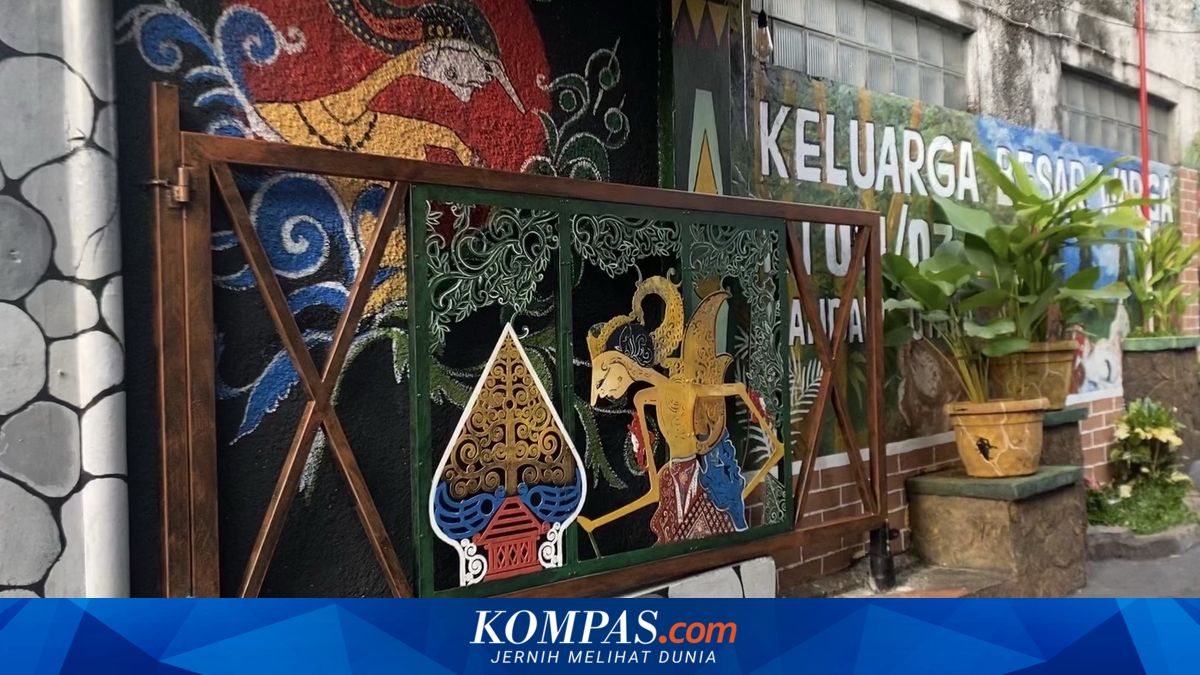
The emergence of various innovations at the neighbourhood level (RT) across several areas of Jakarta is seen as a positive breakthrough worthy of appreciation and potentially a national example. Public policy analyst Trubus Rahadiansyah of Universitas Trisakti said that good practices in a single RT should not stop at the local level, but need to be replicated to other areas through knowledge transfer. “Yes, I see this could become a role model for other regions, other RTs that have not yet undertaken this. So there must be a transfer of knowledge for other RTs, so that this can be owned by each RT across the board,” Trubus told Kompas.com on Wednesday, 20 May 2026. “Yes, that innovations deserve our appreciation, those are good things developed and sustained to improve in order to optimise the delivery of public services,” he added. However, he cautioned that innovations based on digital applications at the RT level carry potential risks if not tightly supervised. “Ideally, there would be learning, training, and related education, including an understanding of the legal rules involved,” he said. Without continuous supervision and evaluation, Trubus argued, innovations could be misused and harm the public. “Because without such training, without room for strict oversight, continuous evaluation, and broad public participation, there are concerns that these could be used for purposes that ultimately harm the public as well,” he warned. He said such conditions must remain within the bounds of a rule-of-law state to avoid distortions. “So don’t invert it, or it could harm the public. Because we are a rule-of-law country, if there are problems, they already know what the solution is.” It is known that the role of RTs in Jakarta is undergoing a transformation. In North Jakarta, RT 07 RW 08, Rawa Badak Selatan Sub-district, is led by a student of Universitas Muhammadiyah Jakarta, Sahdan Arya Maulana (19), who has been entrusted to lead around 150 households or 750 residents. Although his youth had been questioned, Sahdan won decisively in the election with 126 votes, far ahead of his rival who won 17 votes.