
Jakarta's Q1 2026 Regional Budget Faces Rp 810 Billion Deficit, DKI Administration Brainstorms to Maintain Cash Flow
JAKARTA - Jakarta’s Regional Revenue and Expenditure Budget (APBD) experienced a deficit of around Rp 810 billion in the first quarter of 2026.
This situation arose because regional spending realisation exceeded revenue.
Head of the Regional Financial Management Agency (BPKD) of DKI Jakarta, Michael Rolandi Cesnanta Brata, stated that as of 31 March 2026, regional spending was recorded at Rp 10.38 trillion, or 13.97% of the total budget.
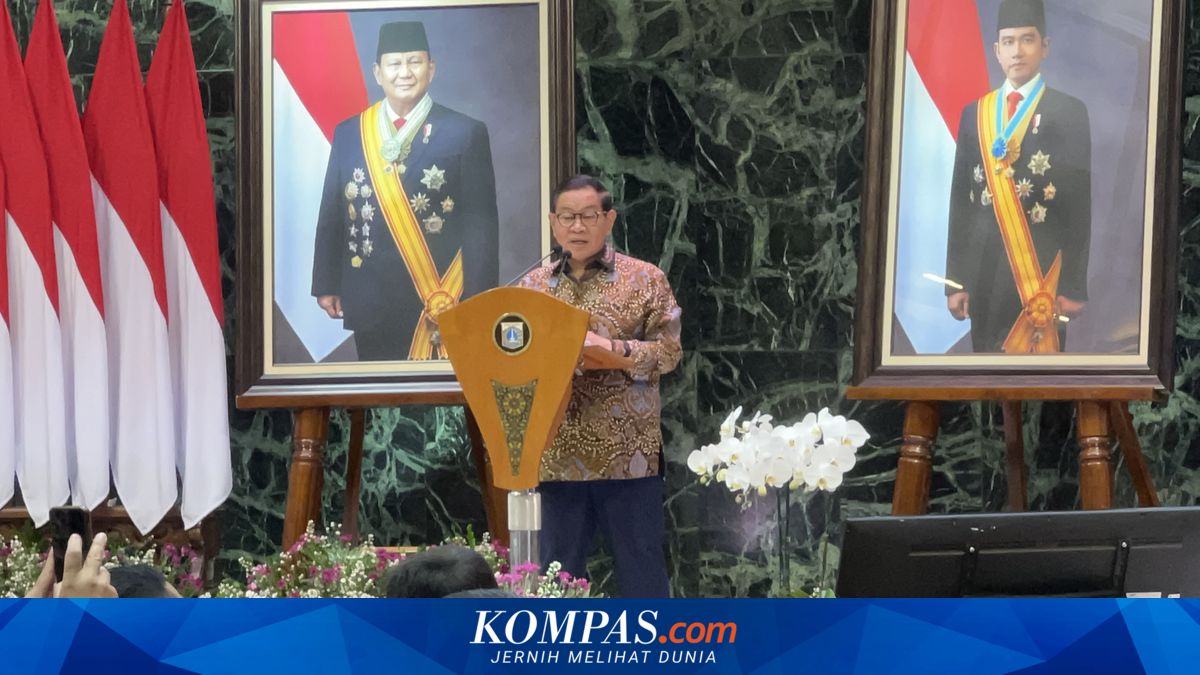
“We in the finance sector are facing ups and downs, ladies and gentlemen. Revenue realisation is 13.39%, while spending is 13.97%. So we must think creatively about how to maintain cash flow,” Michael said at the DKI Jakarta City Hall on Friday (17/4/2026).
This condition occurred due to accelerated spending from the beginning of the year to support the procurement of goods and services.
Although a deficit occurred, the first-quarter spending realisation in 2026 was the highest in the last five years.
“This is the highest that can be achieved in the last five years. If I read it out, in the first quarter of 2022 it was only 9.96%, 2023 9.86%, 2024 10.31%, and 2025 13.19%,” he continued.
Meanwhile, in terms of spending types, the largest portion is still allocated to operational spending. This means government activities continue to run normally.
“The largest is operational spending. What does that mean? DKI is alive. DKI can operate normally even in the current situation,” he said.
The provincial government is now prioritising the budget for strategic programmes such as quick-win initiatives, strengthening towards a global city, and reinforcing the foundations of Jakarta’s development.
Meanwhile, less important spending is being reduced, such as official travel, ceremonial activities, meals and drinks, and grants.
These efficiency measures are being taken to keep the regional finances healthy throughout the fiscal year.
“We are marking areas for efficiency in official travel spending, spending on ceremonial activities, spending that is supportive and does not have measurable outputs, and we are exercising efficiency on meals and drinks spending as well as grants,” Michael revealed.