
Jakarta's Clean Water Regional Regulation Draft Criticised by PSI, Deemed Potential for Monopoly and Burden on Residents
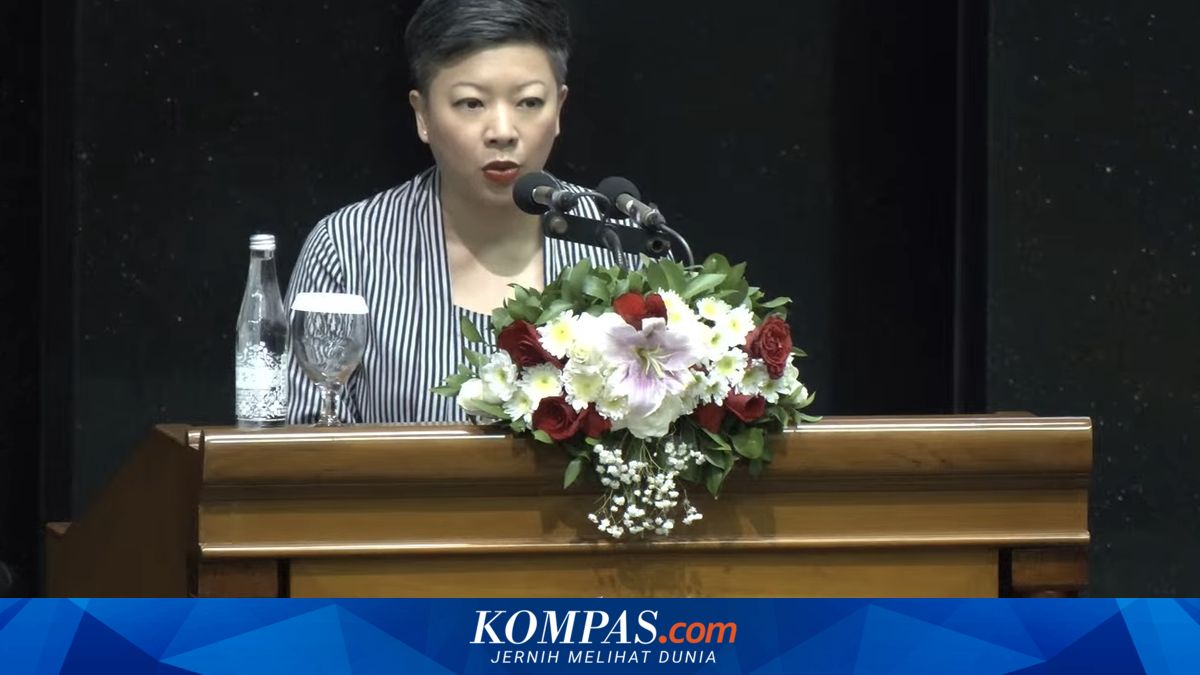
The PSI faction in the Jakarta DPRD considers the Draft Regional Regulation (Raperda) on the Drinking Water Supply System (SPAM) to have the potential to create a state monopoly that behaves like a private corporation in managing clean water in Jakarta.
This concern arises because the public is deemed to have no alternatives other than being required to connect to the piped network owned by the regional-owned enterprise (BUMD), namely PAM Jaya.
This was stated by PSI faction member Francine E. V. Widjojo during the general view on the SPAM Raperda at the Jakarta DPRD Plenary Meeting on Monday (13/4/2026).
“The construction between the obligation to connect to the BUMD SPAM piped network in Article 24 and the tariff determination mechanism proposed by the Directorate as regulated in Article 42 paragraph (1) in this Draft Regulation simultaneously creates a condition known as a Captive Market,” said Francine at the Jakarta DPRD Building on Monday.
She assessed that this condition could lead to practices of commercialising clean water, even though formally there is no privatisation of water management.
“This condition creates a form of hidden commercialisation, where formally what is called privatisation does not occur, but it results in a state monopoly that behaves like a private corporation,” she said.
Francine stated that PSI does not deny that in accordance with the mandate of Article 33 paragraph (3) of the 1945 Constitution, water is a resource controlled by the state.
However, she emphasised that tariff setting must not be based on efforts to maximise financial profits for the BUMD. Therefore, PSI requests that the Raperda also include specific regulations regarding consumer tariff limits.
“The PSI faction views that this Draft Regulation must include an upper limit on drinking water tariffs directly stipulated in the Regional Regulation norm,” said Francine.
According to Francine, the public should be positioned as beneficiaries who also have the right to participate in managing clean water resources, not just as consumers.
PSI also highlighted management inefficiencies due to the high non-revenue water (NRW) rate in Jakarta, which reached 44.9 percent in 2025. This figure is far above the national target, which is at a maximum limit of 25 percent.
Francine reminded that these inefficiencies should not be burdened onto the public through water tariff increases.
“If the Non-Revenue Water continues to be allowed to remain high, the inefficiencies that occur will directly impact the calculation and determination of drinking water tariffs by the BUMD SPAM, which ultimately will again sacrifice residents as service users,” she said.