
Jakarta Water Development: Between Speed and Trust
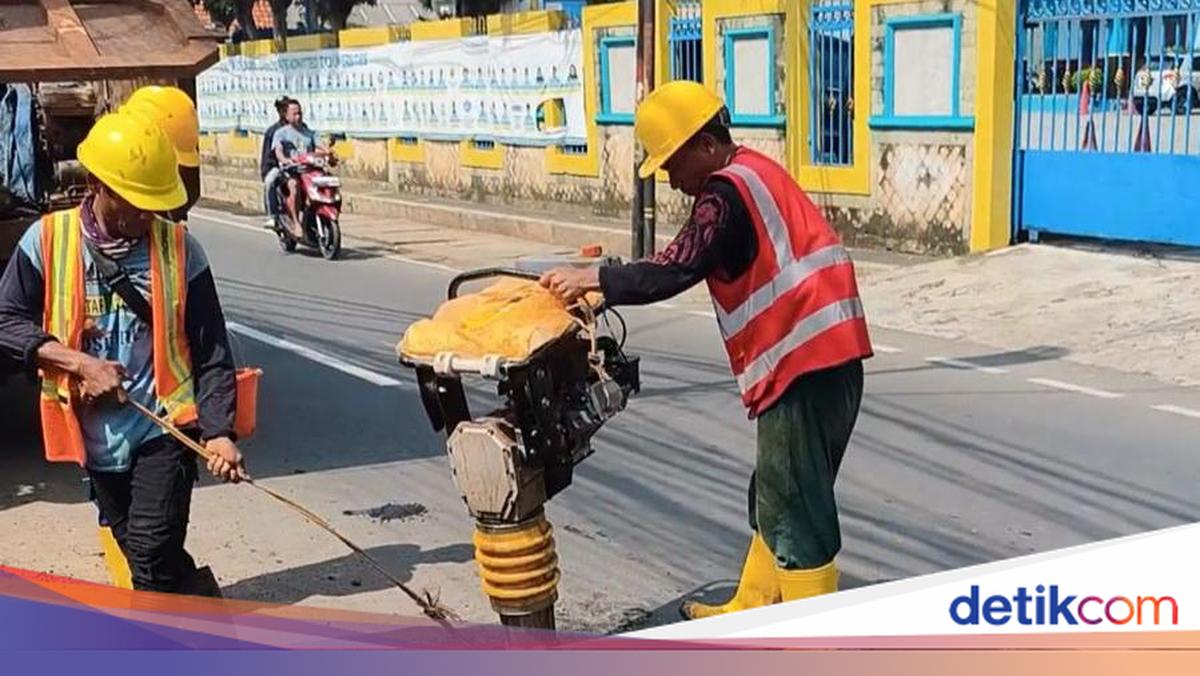
The acceleration of piped water network development in Jakarta is not merely an effort to meet service targets, but part of a major initiative to address the increasingly evident environmental crisis. Amid this push, one aspect must not be overlooked: public trust. Ultimately, the success of water services is determined not only by how quickly the network is built, but also by how safely and reliably the process is carried out.
The transformation of piped water services in Jakarta must be understood as the foundation of the city’s future. For years, Jakarta has relied on groundwater, which various studies have proven contributes to land subsidence and increased flood risks. Therefore, expanding the piped network is a strategic step to reduce environmental pressure while broadening access to clean water.
In this context, the role of PAM Jaya is crucial. The current acceleration of network development is not only relevant but also urgent. This is a major undertaking that is not only technically complex but also demands caution in its execution within community living spaces.
Field dynamics are inevitable. The incident in Condet, East Jakarta, serves as a reminder that every development process must prioritise safety. However, such incidents need to be viewed proportionally as part of a process that is continuously evaluated and improved, not as a representation of the overall picture.
In large-scale projects, challenges are inevitable. What distinguishes them is how responses and improvements are handled. So far, there have been efforts to strengthen oversight, enforce operational standards, and openness to public input. This shows that development is not proceeding without control, but is continuously refined.
PAM Jaya is not only building pipelines but also building public trust. That trust does not arise from targets alone, but from consistency in safeguarding residents’ safety in every process.
On the other hand, the public also needs to understand that accelerated development brings temporary consequences in public spaces. Excavation work and disruptions to activities are part of the transition phase towards a better service system. Experiences from various cities show that clean water service transformations never occur without challenges.
Jakarta is currently in this important phase. Ultimately, the direction taken by PAM Jaya is on the right track and deserves support. Field challenges are part of the process, not a reason to doubt the overall effort. More importantly, ensuring that every evaluation is followed up, standards are consistently implemented, and residents’ safety remains the priority.
With such commitment, the public has a strong basis to believe that this development will not only deliver clean water but also strengthen a sense of security and the quality of public services moving forward.