
Jakarta Safest City in ASEAN After Singapore, Pramono Speaks Out
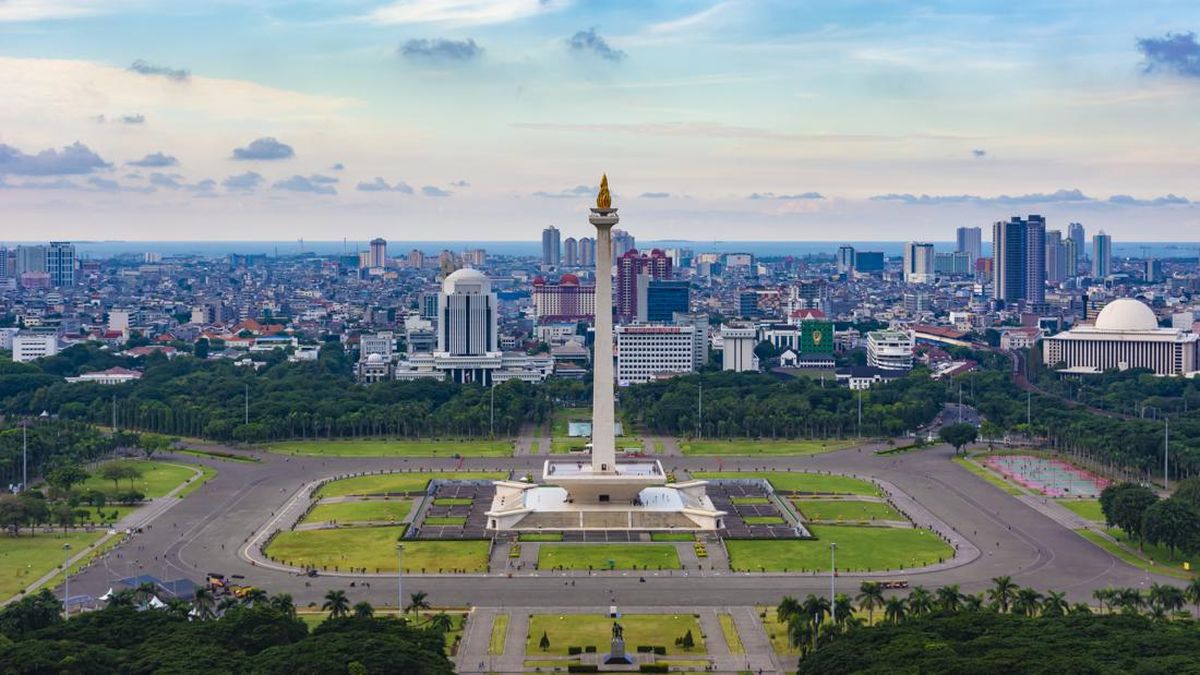
Jakarta has been officially designated as the safest city in Southeast Asia or ASEAN after Singapore, based on the Global Residence Index 2026 survey. DKI Jakarta Governor Pramono Anung admitted he was surprised and did not expect the result, as Jakarta managed to overtake other major cities such as Bangkok and Kuala Lumpur. “I was actually surprised myself. Jakarta, which has always been below Bangkok, Manila, and Kuala Lumpur, is now in second place after Singapore,” Pramono said at Jakarta City Hall on Tuesday (7/4). Pramono stated that this achievement was possible because, during several major religious events, the capital was able to maintain security and harmony. For example, Christmas carols during Christmas celebrations, Cap Go Meh during Chinese New Year, torch parades and bedug festivals during Ramadan and Eid al-Fitr, and ogoh-ogoh parades during Nyepi. “Alhamdulillah, it shows the strength of the diversity in Jakarta. It also serves as a showcase or symbol of Jakarta itself,” Pramono said. He emphasised that security and comfort in Jakarta should continue to be maintained and improved together. Based on the Global Residence Index 2026 survey, Jakarta has outperformed various major cities in ASEAN, such as Manila, Bangkok, and Kuala Lumpur, as the safest city. Singapore holds the first position with a score of 0.90, followed by Jakarta in second place with a score of 0.72. Then, in third place is Bangkok with a score of 0.65, followed by Vientiane with 0.61, Hanoi with 0.60, and Kuala Lumpur with 0.57. The following are some indicators used to determine a city’s safety score according to the Global Residence Index: - Numbeo Index: Measures public safety perceptions from residents, including risks of crime, theft, and physical attacks. - Homicide rate (city & country): Per capita murder rate, both at city and national levels. - Global Peace Index: Assesses national peace levels based on several factors, such as internal or external conflicts, societal safety, and militarisation levels. - Security Risk: General security risks, such as terrorism threats, social stability, or serious crime. - Political Risk: Political stability and risks of government uncertainty. - Natural Disaster Risk: Potential risks from natural disasters, such as earthquakes, floods, storms, and others. - Road Traffic Death Rate: Death rate from road traffic accidents (reflecting transportation safety). - Natural Disasters Death Rate: Actual number of deaths from natural disasters. - Major Conflict Death Rate: Death rate from major conflicts in the region.