
Jakarta Remains a Magnet: 35% of Newcomers Dare to Seek Their Fortune
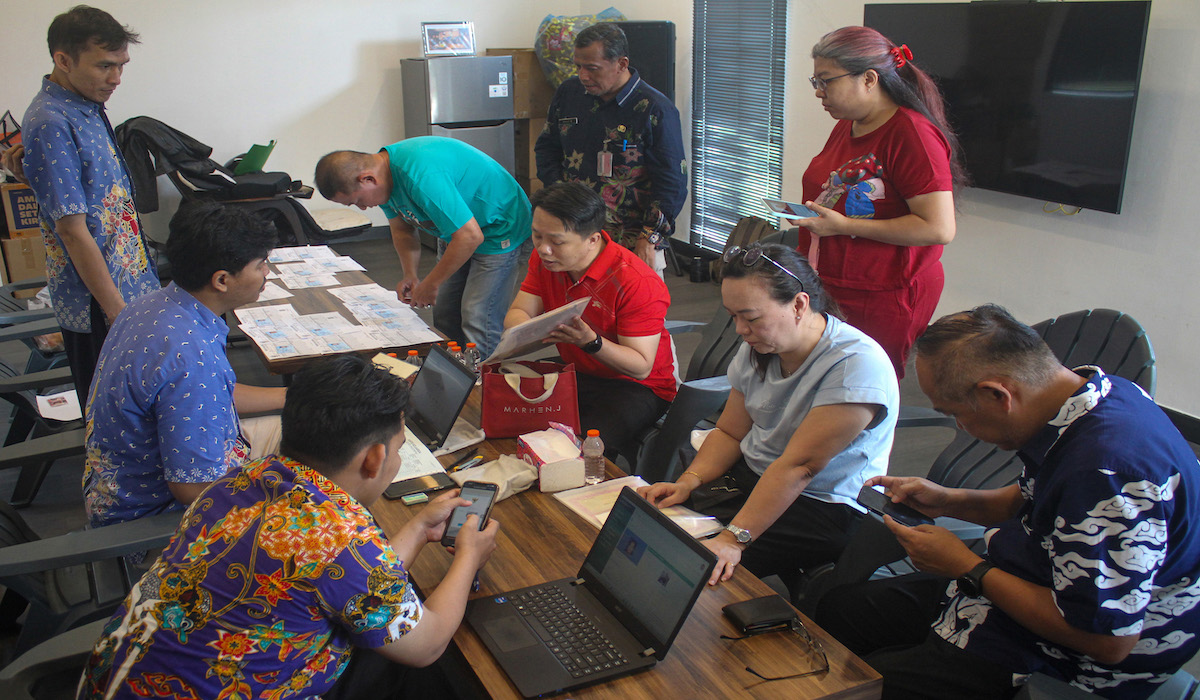
The allure of Jakarta as the national economic hub remains undiminished. The DKI Jakarta Civil Registry and Population Administration Office (Dukcapil) reveals that almost 35% of new migrants entering the capital have job-seeking as their main purpose.
DKI Jakarta Dukcapil Head Denny Wahyu Haryanto emphasised that the dominance of productive-age individuals is the main driver of this urbanisation wave. Based on the latest data, the reason for seeking work reaches 34.97%, surpassing family reasons (32.58%) and education (3.49%).
“If they come to Jakarta, it’s definitely to look for work. The factors for seeking employment are strengthened by the highest number of productive ages,” said Denny in a population podcast in Jakarta on Friday (3/4).
However, behind these figures lies a major challenge for Jakarta’s urban planning. As many as 78.71% of migrants are recorded as having only high school equivalent or lower educational backgrounds. This condition impacts the absorption of labour, with the majority only able to enter the informal sector with low incomes.
The portrait of urban poverty also shadows these new migrants. Dukcapil records that around 21.05% of them are forced to live in slum neighbourhoods, densely populated areas, and Jakarta’s border regions due to limited costs.
Denny added that the ease of access to public services such as transportation, health, and education remains the main magnet attracting regional residents. Nevertheless, the trend in the number of post-Eid migrants has actually been declining since 2022, from 27,478 people to 16,049 people in 2025.
“This data can be used as material for programmes related to fostering MSMEs and how to manage the informal sector to become more formal,” concluded Denny.
Currently, the DKI Provincial Government through Dukcapil continues intensive data collection through door-to-door services scheduled to run until 30 April 2026 to ensure all migrants are administratively recorded.
Total New Migrants: 1,776 people (as of 1 April 2026).
Productive Age (15-64 years): 77.84%.
Education High School and Below: 78.71%.
Assumption of Low Income: 58.96%.