
Jakarta Provincial Regulation Draft on Water Supply System Aims to Accelerate Piped Drinking Water Services
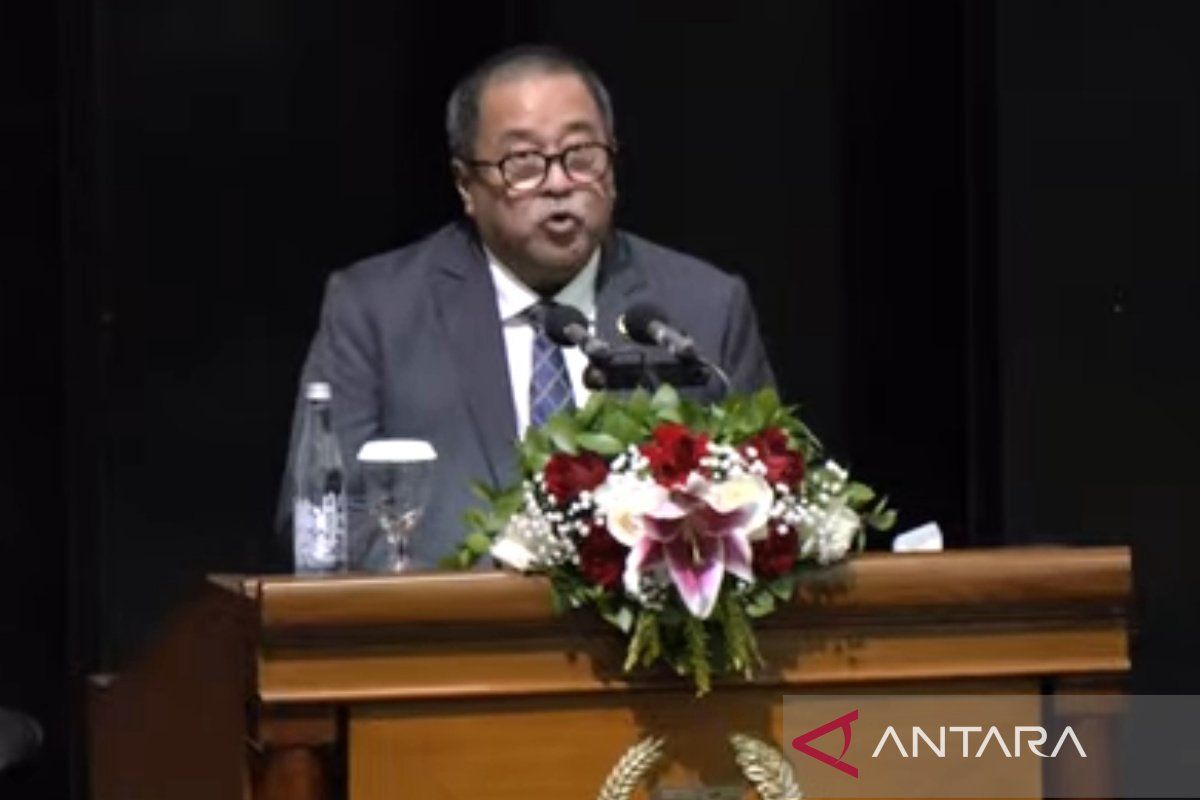
Jakarta (ANTARA) - Deputy Governor of DKI Jakarta, Rano Karno, stated that the Draft Regional Regulation (Raperda) on the Organisation of the Drinking Water Supply System (SPAM) is one of the key elements in supporting the acceleration of achieving 100 per cent piped drinking water services by 2029.
“Piped drinking water services are part of the efforts to realise Jakarta as a global city that is liveable, sustainable, and competitive,” said Rano in Jakarta on Monday.
According to him, the substance of the Raperda on SPAM will comprehensively regulate the drinking water system, covering the types and organisers of SPAM, the authorities and responsibilities of organisers, the rights and obligations of customers, coaching, supervision, as well as the application of prohibitions and sanctions.
In addition, the Raperda will also regulate matters related to funding, tariff schemes, as well as licensing and cooperation mechanisms.
Rano hopes that the regulation can also address various challenges such as the high incidence of waterborne diseases, including their impact on increasing stunting risks.
Furthermore, limitations on raw water sources, uneven coverage of piped services, high levels of water leakage, and the need to reduce the use and utilisation of groundwater.
He added that the SPAM Raperda will replace Regional Regulation Number 11 of 1993 on drinking water services in the DKI region because it is deemed no longer relevant to current legal developments and societal needs.
Previously, the Jakarta Regional People’s Representative Council (DPRD) hoped that the Raperda on the Organisation of the Drinking Water Supply System (SPAM) in Jakarta could strengthen regulations to fulfil citizens’ basic rights.
“The Raperda on the Organisation of the Drinking Water System is a strategic step in ensuring the fulfilment of society’s basic rights,” said Chairman of the DKI Jakarta DPRD, Khoirudin.
According to him, the regulation is expected to strengthen provisions on society’s basic right to access safe, quality, equitable, and affordable drinking water.
In particular, said Khoirudin, current population growth and the complexity of urban issues require strong and visionary regulations.