
Jakarta Metropolitan Police Deploy Personnel at Ramadan Congestion Points, Including Takjil Vending Areas
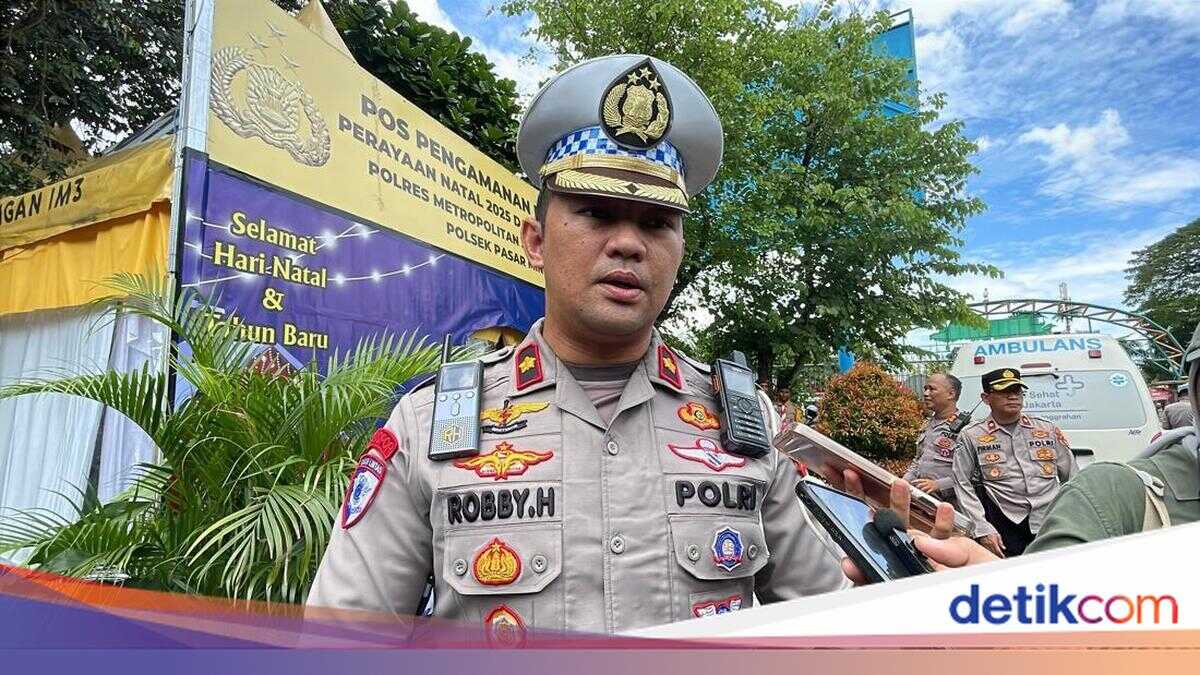
The Traffic Directorate (Ditlantas) of the Jakarta Metropolitan Police (Polda Metro Jaya) is making preparations to welcome the holy month of Ramadan, including mapping congestion-prone points throughout the fasting period.
Head of Operational Guidance at Ditlantas Polda Metro Jaya, Police Commissioner Robby Hefados, explained that public movement patterns during Ramadan will differ from normal days. He said traffic congestion would only begin building between 09:00 and 10:00 Western Indonesian Time (WIB).
“Of course, with the government’s work-from-anywhere policy, including office activities starting later in the day, public traffic movement in the morning will likely peak between 9 and 10 o’clock,” Robby told reporters on Wednesday (18 February 2026).
A shift in congestion patterns is also predicted for the afternoon. Robby explained that afternoon congestion during Ramadan would occur earlier, starting from around 15:00 WIB.
“In the afternoon, most likely because many people want to break their fast together with family, there will probably be an increase in vehicles heading towards Bekasi and the southern areas from around 2 or 3 in the afternoon,” Robby said.
Additionally, Robby noted that during Ramadan there are a number of congestion points, particularly in areas popular with takjil (breaking-fast snack) vendors. One such location, he said, is the Bendungan Hilir area in Central Jakarta.
“We have already mapped out takjil locations and Ramadan bazaars, including Benhil, where there is usually one, and several other points. Those with the potential to disrupt traffic flow have been mapped,” Robby explained.
He said the Ditlantas Polda Metro Jaya ranks would endeavour to prepare for the traffic congestion shifts occurring during Ramadan. Personnel will be deployed at congestion-prone points.
“During the fasting month, we will naturally strive to be quicker in managing traffic flow on the roads and adjusting to public movement patterns,” Robby explained.
“We will station traffic personnel in the takjil vending areas so they can assist with the traffic flow there,” he added.