
Jakarta Environmental Agency Closes Temporary River Waste Dumping Site at Tanah Kusir Cemetery Following Viral Incident
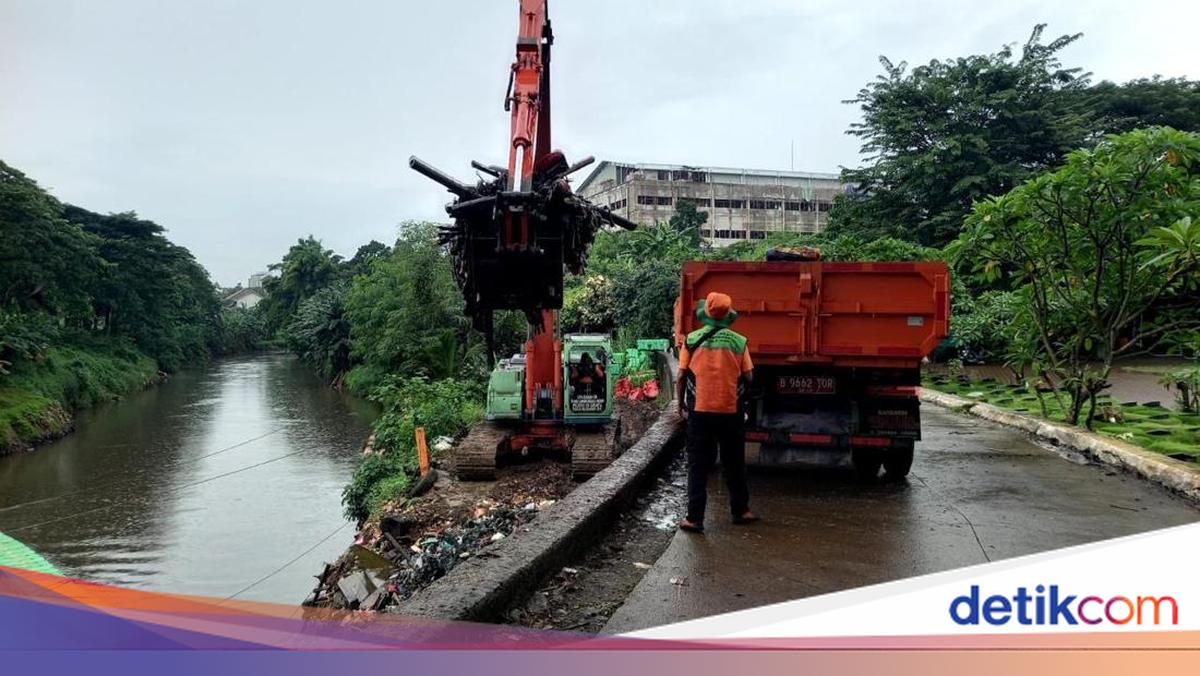
The Jakarta Environmental Agency (DLH DKI) has clarified that no waste from DLH vehicles was dumped into the Pesanggrahan River at Tanah Kusir Public Cemetery in Kebayoran Lama, South Jakarta. DLH Head Asep Kuswanto announced the closure of the emplacement, or temporary river waste holding site, at the location.
“Therefore, as of today, we are closing the emplacement at Tanah Kusir Public Cemetery, and we hope this also serves as our commitment to preserving the environment,” Asep told reporters on Friday (27/3/2026).
He explained that the site was a temporary facility, not a permanent waste disposal site (TPS). The agency would close it immediately.
“So, once again, this emplacement is a temporary site and not a long-term TPS. We guarantee that the waste accumulated here will be handled within one day,” he stated.
Asep noted that similar emplacements would undergo improvements. DLH DKI assured that riverside emplacements would be closed gradually.
“And then, given their temporary nature, there are several other such sites. We will make improvements, and we ensure that emplacements along the riverbanks like this will be closed gradually,” he elaborated.
Asep explained that after closure, waste dumping would be redirected to the Simatupang temporary landfill (TB). He mentioned that the transit at the Tanah Kusir riverside was due to the considerable distance.
“Yes, so with this closure, we are redirecting the dumping to TB Simatupang. We have waste filters there, and I think colleagues are already familiar with the location—it’s very suitable, where we can process it directly. However, the distance is now quite far, and we hope it doesn’t hinder or impede our services,” he said.
He emphasised that DLH DKI strives to preserve the environment, including rivers. Despite the emplacements, DLH DKI guarantees no waste is discarded or flows into the sea or rivers in Jakarta.
“So, we hold the waste at every barrier, then transport it to land, and use mini-dump trucks to place it at these emplacements. It’s designed to accelerate waste handling services in water bodies,” he concluded.