
Jakarta East City Government Promotes Sustainable Capture of Plecostomus Fish
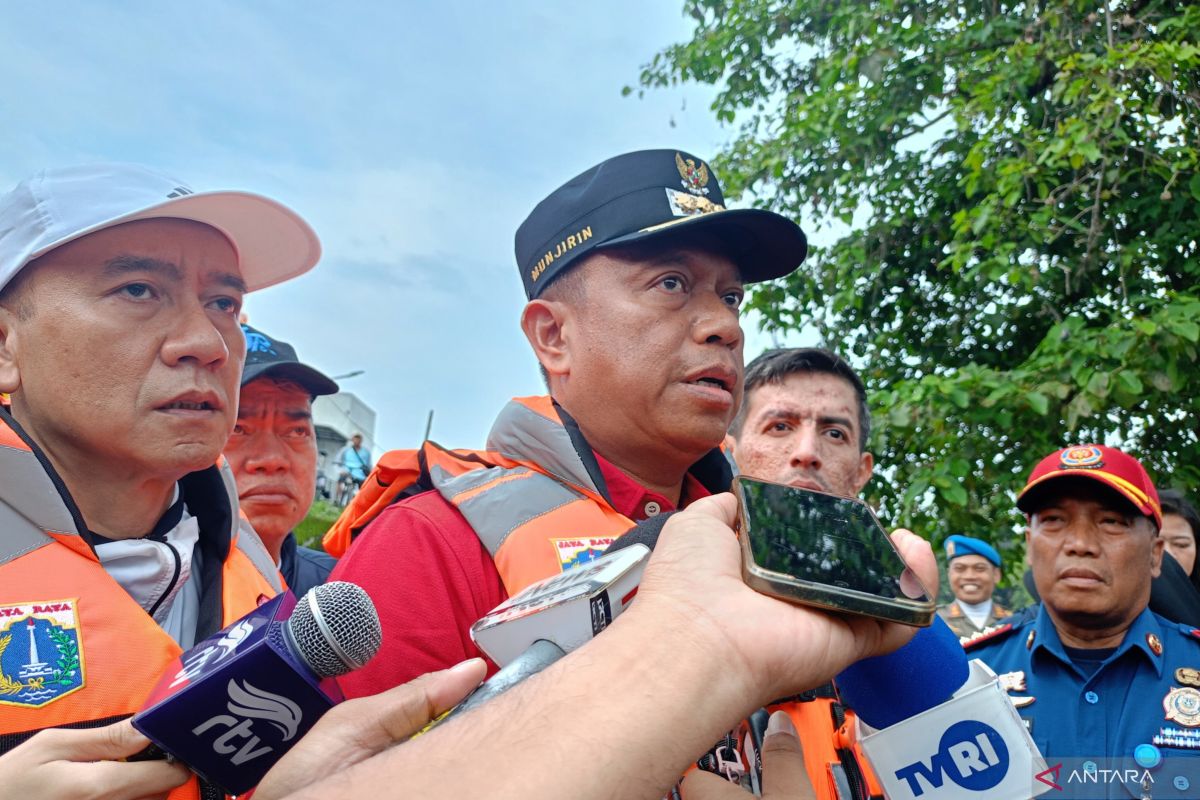
Jakarta (ANTARA) - The Jakarta East City Government (Pemkot Jaktim) is promoting efforts to control the population of plecostomus fish sustainably to prevent damage to aquatic ecosystems.
“We hope that this plecostomus fish capture operation does not stop here, but continues sustainably,” said Jakarta East Mayor Munjirin at the Ciliwung Eco Eduwisata Dock, Cililitan, Kramat Jati, East Jakarta, on Friday.
According to him, the plecostomus fish capture activity must not stop as a one-off action, but should be carried out sustainably by involving various community elements and stakeholders.
In addition, cross-sector collaboration is key to the success in suppressing the population of the invasive fish.
He also assured that he would soon coordinate with various stakeholders to design follow-up steps, including the possibility of providing appreciation to the community that actively helps in capturing plecostomus fish.
“We will also try to communicate with other stakeholders so that the community that participates in capturing plecostomus fish can receive appreciation,” Munjirin said.
In addition, Munjirin asked district heads and village heads to map locations that are concentration points for plecostomus fish so that they can be programmed for systematic handling.
“The plecostomus fish in Jakarta has become endemic and even dominates up to around 80 percent of the population in several waters. The impact is very damaging, both to other aquatic life and to channel infrastructure, because they make holes in the walls and edges of channels,” Munjirin explained.
In addition, he said, the damage caused by plecostomus fish not only threatens ecosystem balance but also affects the physical condition of water channels, which has the potential to worsen urban environmental damage.
As a form of support for community participation, the Jakarta East City Government plans to collaborate with the National Zakat Amil Body (Baznas) or Bazis to provide financial assistance incentives to residents involved in capturing plecostomus fish.
This step is expected to increase awareness as well as active community participation in maintaining the aquatic ecosystem in the Jakarta East area.
“With integrated and sustainable efforts, we are optimistic that the plecostomus fish population can be controlled so that environmental balance can be maintained,” Munjirin said.
The activity was centred at the Ciliwung Eco Eduwisata Dock, Cililitan Village, Kramat Jati District, and was carried out in a hybrid manner at several other water points.
In Matraman District, the activity took place at the Gunung Antang Water Gate, RW 9, Palmeriam Village. In Duren Sawit District, the activity was centred at Kali Buaran II, while in Cakung District, the fish capture took place in the Rokem Housing area, Tambun Rengas.
Then, in Jatinegara District, the operation was held at the BC Water Pump House of the Water Resources Sub-District, Bidara Cina Village. Then, in Cipayung District, the operation took place at the Cilangkap 2 Agrowisata Reservoir, RW 1, Cilangkap Village.
Next, in Pasar Rebo District, the activity was centred at the Setu Pedongkelan Irrigation, Pekayon Village. Then, in Ciracas District, the activity was carried out at Kali Cipinang, RT 4 RW 3, Rambutan Village, while in Pulo Gadung District, the capture operation was centred at Kali Pasadenia, Jalan Pacuan Kuda, Kayu Putih Village.
In addition, in Makasar District, the plecostomus fish capture operation was carried out at Kali Sunter Sipon Kalimalang, specifically at Jalan Pintu Air, Cipinang Melayu Village.
The capture results reached 763 kilograms or 7.63 quintals of plecostomus fish in the simultaneous operation held in 10 districts.