
Jakarta DPRD Special Committee Highlights Infrastructure Bottlenecks at Rorotan RDF Plant
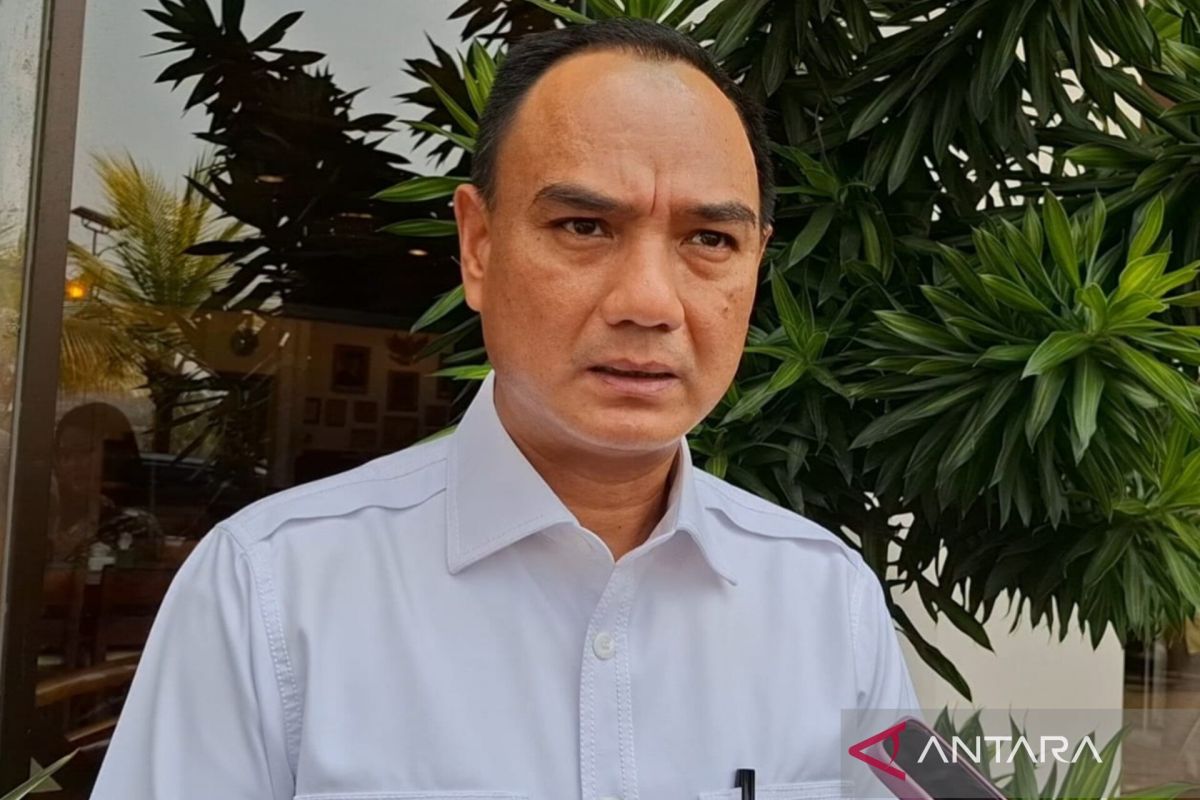
The Special Committee on Waste Management of the Jakarta Regional House of Representatives has highlighted a number of obstacles still hampering the optimisation of the Refuse Derived Fuel (RDF) Plant in Rorotan, Cilincing District, North Jakarta, particularly concerning infrastructure. ‘Today, the Jakarta DPRD Waste Management Special Committee is present at RDF Rorotan. This is an effort by the Jakarta Provincial Government and the Jakarta DPRD to reduce the waste that has been sent to Bantargebang,’ said Judistira Hermawan, Chair of the Special Committee, on Thursday. According to Judistira, although the waste processing facility is deemed to have large capacity and adequate technology, issues with supporting infrastructure and the waste transport fleet remain urgent challenges that must be resolved. The existence of the RDF Plant Rorotan is part of the Jakarta Provincial Government’s strategy, together with the DPRD, to reduce dependency on the Bantargebang Integrated Waste Treatment Site, which has been the city’s primary disposal location. Judistira stated that approximately 9,000 tonnes of waste from Jakarta are sent to the Bantargebang site in Bekasi City every day. This condition compels the regional government to continuously strengthen the waste management system through various processing facilities within Jakarta’s territory. To ensure the operational readiness of the facility, the Special Committee conducted a direct inspection of the RDF Plant Rorotan. ‘Of course, today the Special Committee is here to find out the obstacles, so we hope that within the next year RDF Rorotan can optimally process at least 1,500 to 2,000 tonnes of waste per day,’ he explained. Judistira clarified that the main bottleneck found does not stem from the technology or the waste processing machinery at the facility. Based on the inspection results, RDF Rorotan has three processing lines, each with a capacity of about 800 tonnes of waste per day, totalling 2,400 tonnes per day. During the visit, two processing lines were observed operating normally, while the third was undergoing routine maintenance, indicating that technically the facility is capable of handling large volumes of waste. He assessed that road access to the RDF Plant Rorotan remains one of the main issues that must be addressed immediately. The suboptimal road infrastructure could hinder the mobility of waste truck fleets from various Jakarta areas to the facility. ‘So that the Environmental Agency’s fleet transporting waste can gain better access, and waste deliveries to RDF Rorotan can run smoothly,’ Judistira said. According to him, the public has complained about ageing waste trucks that do not meet operational standards. These trucks often cause unpleasant odours and water leaks that disturb residents along the distribution routes. Plans to build waste-to-energy facilities at several locations still require time before they can be realised. Therefore, currently available facilities must be maximised during the transition period. ‘We know that in three years, there are plans to build waste-to-energy processing facilities at three to four points together with Danantara and the regional government,’ said Judistira. In the short term, the Jakarta DPRD is also pushing for the optimisation of all operating waste management facilities. Besides the RDF Plant Rorotan, the RDF facility at Bantargebang, the Badan Air Sanitation Management Unit, and the Reduce-Reuse-Recycle Waste Processing Sites across Jakarta must also be maximised.