
Jakarta Customs Extends Oversight, Inspects 82 Luxury Yachts
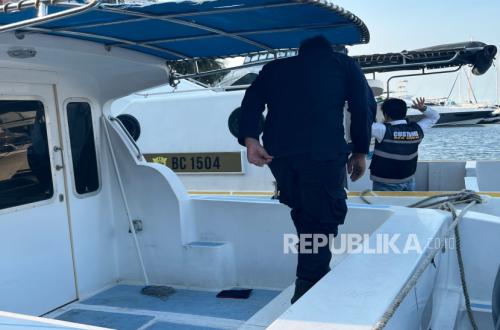
Jakarta Customs Authority has inspected 82 yachts and luxury vessels located in waters and moored at Batavia Marina in Ancol. The inspections were conducted to ensure compliance with customs obligations and import administration requirements for these vessels.
Hendri Darnadi, Head of the Jakarta Regional Customs Office, stated that the inspections form part of the authority’s mandate to optimise state revenue whilst promoting business compliance. “We are conducting this activity as a mandatory duty to maximise state revenue,” Hendri said in a statement on Tuesday, 17 March 2026.
Darnadi added that the inspections also aim to ensure equitable fulfilment of fiscal obligations. “Lower-income people, small and medium enterprises, and those purchasing motorcycles for work continue to pay taxes. We want to ensure equal compliance also applies to owners of high-value goods,” Hendri stated.
Jakarta Customs is investigating potential violations, including the use of temporary import schemes or the improper use of foreign flags that contravene regulations. Inspections covered vessel documentation and ownership status.
From preliminary data collection, 82 yachts were inspected, comprising 48 vessels under the Indonesian flag and 34 under foreign flags. Among these, certain foreign-flagged vessels are suspected to be owned by Indonesian nationals or domestic companies.
Jakarta Customs stated that the inspection process is ongoing and results will be disclosed once investigations are completed. “We are conducting further investigation into the outcomes,” Hendri said.
Beyond yacht inspections, Jakarta Customs also stated it will continue enforcement actions against unrecorded or underground economic activities. These efforts are being pursued through continuous administrative inspections of imported and exported goods.
Finance Minister Purbaya Yudhi Sadewa previously noted that underground economic activities are difficult to measure as they are not formally recorded. However, the government continues to monitor this potential since it impacts state revenue.
According to a study by Medina and Schneider released by the World Bank, Indonesia’s underground economy was estimated to account for 21.8 per cent of gross domestic product in 2015. This finding demonstrates the substantial untapped potential for tax revenue collection.