
Jakarta Composite Index Declines on 16 March 2026 Amid Iran-US Conflict Impact
Indonesia’s Jakarta Composite Index (IHSG) on the Indonesia Stock Exchange opened lower on Monday amid rising market concerns over the possibility of tighter monetary policy resulting from escalating Middle East conflict. In early trading, the IHSG fell 21.76 points or 0.30% to 7,115.45. Meanwhile, the LQ45 index comprising blue-chip stocks also weakened 3.38 points or 0.46% to 724.95.
Liza Camelia Suryanata, Head of Research at Kiwoom Securities Indonesia, advised investors to exercise greater caution and increase cash positions. “Kiwoom Research continues to recommend that investors adopt a more cautious wait-and-see approach and maintain higher cash reserves to anticipate global volatility whilst the Indonesia Stock Exchange is closed for Lebaran,” said Liza in her research note in Jakarta on Monday.
Global market focus this week is centred on the Federal Open Market Committee (FOMC) meeting scheduled for 17-18 March 2026. The meeting will present the latest economic projections and provide signals regarding US interest rate policy direction, particularly amid energy price surges triggered by Middle East conflict.
Rising energy prices have shifted global monetary policy expectations. Markets now estimate the possibility of a Federal Reserve rate cut of less than once through year-end, down from previous expectations of two cuts before the conflict escalated.
Latest US economic data show a combination of slowing growth but persistent inflation. US Gross Domestic Product for the fourth quarter of 2025 was revised downward to 0.7%, whilst core PCE in January rose 3.1%, far above the Federal Reserve’s 2% inflation target. “These conditions increase the risk that the central bank will maintain high interest rates for longer,” said Liza.
Beyond monetary factors, market participants are monitoring developments in the Iran versus US conflict, including potential attacks on energy facilities and efforts to reopen the vital Strait of Hormuz for global energy trade. In the Middle East, attention is also focused on the potential for ceasefire negotiations between Israel and Lebanon regarding Hezbollah.
Economic relations between the United States and China are also under market scrutiny ahead of a planned meeting between US President Donald Trump and Chinese President Xi Jinping at the end of March 2026. Economic officials from both countries held talks in Paris discussing potential increased trade in agriculture, energy, and critical minerals sectors.
Meanwhile, US-allied nations in the Asia-Pacific region have agreed on approximately $57 billion in energy investments through 22 agreements with US companies at the Indo-Pacific Energy Security Forum in Tokyo. These agreements reflect efforts to strengthen global energy security amid supply disruptions caused by Iran conflict and potential Strait of Hormuz closure.
Domestically, the Indonesian government has confirmed that the Agreement on Reciprocal Trade (ART) with the United States remains the basis for bilateral trade relations. This statement was made amid an ongoing trade investigation in the US, described as part of internal administrative mechanisms. The government assured it will follow this process whilst maintaining communication with US authorities and continuing domestic implementation stages of the ART, including consultations with the House of Representatives and ratification procedures.
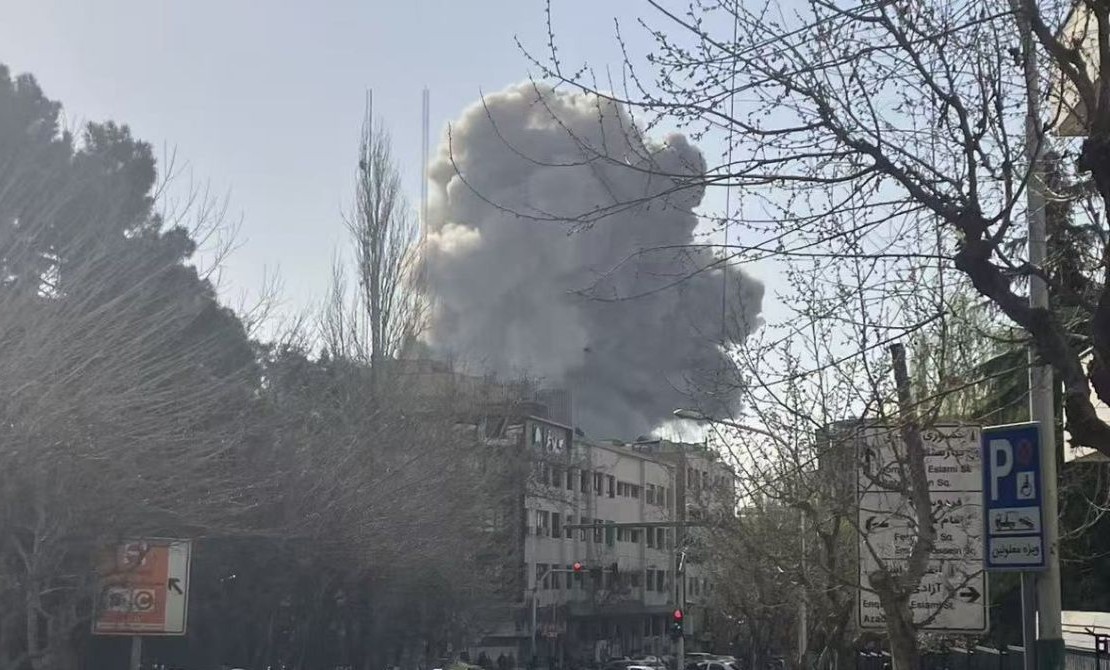
Death tolls continue to rise across various Middle East countries following military strikes launched by the United States and Israel against Iran on 28 February. The escalating Middle East conflict presents significant challenges to global stability whilst testing the resilience of nations worldwide.
Global oil prices are estimated to have potential to surge to $130 per barrel should Iran-US-Israel conflict continue to escalate. Former Vice Presidents Jusuf Kalla (10th and 12th terms) assessed that Indonesia must demonstrate a firm stance on the conflict involving Iran, particularly should that nation become the attacked party.
Iran’s Deputy Foreign Minister Majid Takht-Ravanchi warned that any nation supporting US aggression against Iran would be considered a legitimate target for retaliatory strikes.