
I'tikaf: When the Current of Time is Drawn Inward
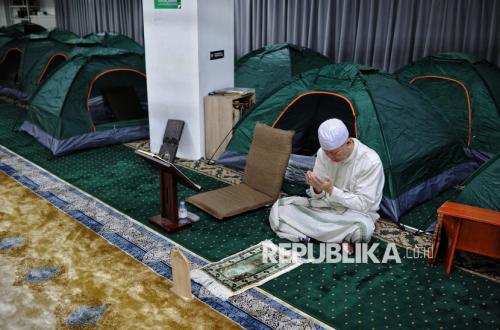
Every Ramadan, when the final nights arrive and Medina grows quiet, the Prophet Muhammad ﷺ chose to seclude himself. Not to withdraw from the world, but to place the world at a safe distance from his heart. I’tikaf—residing in the mosque, severing oneself from the hustle and bustle—is not an additional ritual, but rather the spiritual axis of the entire prophetic journey.
In the sira, i’tikaf was practised consistently, particularly during the final ten nights of Ramadan. This fact is often read as personal piety. Yet, upon deeper reflection, it is a silent statement about leadership and power.
Consider the context: i’tikaf was not practised only when the community was weak, but also when Islam had grown strong. When influence expanded, decisions multiplied, and the times moved ever faster, the Prophet chose to pause. As if he wished to say: the greater one’s influence in the current of life, the deeper one must delve into oneself.
Silence, in this sense, is not emptiness. It is a space for refinement. There, intention is re-examined, ambition is scrutinised, and purpose is restored from the dust of self-interest. I’tikaf is a way to ensure that struggle does not transform into habit, and power does not become addiction.
For the Prophet, Ramadan was not a break from life’s struggles. Rather, it was the pulse of the journey itself. A human journey that races ahead without spiritual pause becomes a machine—swift, efficient, and directionless. I’tikaf serves as a spiritual brake: not to halt the steps, but to straighten them before moving further.
During the nights of i’tikaf, there are no sermons, no negotiations, no grand planning. What exists is unannounced prayer, undemonstrated remembrance of God, and silence that asks not to be witnessed. From there emerges clarity—clarity to lead without becoming trapped by one’s role, to influence without feeling ownership of the world.
I’tikaf also teaches a lesson often lost in the long human journey: that external change without inner transformation merely replaces the face of oppression. For this reason, the Prophet never separated outward action from spiritual work. The two monitor each other.
In the silence of i’tikaf, humans are reminded that they are not the centre of the universe. That today’s success could become tomorrow’s most dangerous trial. That prayer precedes decision, and humility precedes victory.
Thus, i’tikaf is not an escape from the world. It is the most honest way to return to the world without destroying it.
And perhaps therein lies true spiritual refinement: not becoming pure to withdraw from life’s current, but becoming clear so that the human journey remains human.