
ITDP Pushes for Vehicle Electrification, Focusing on Electric Buses and Motorcycles
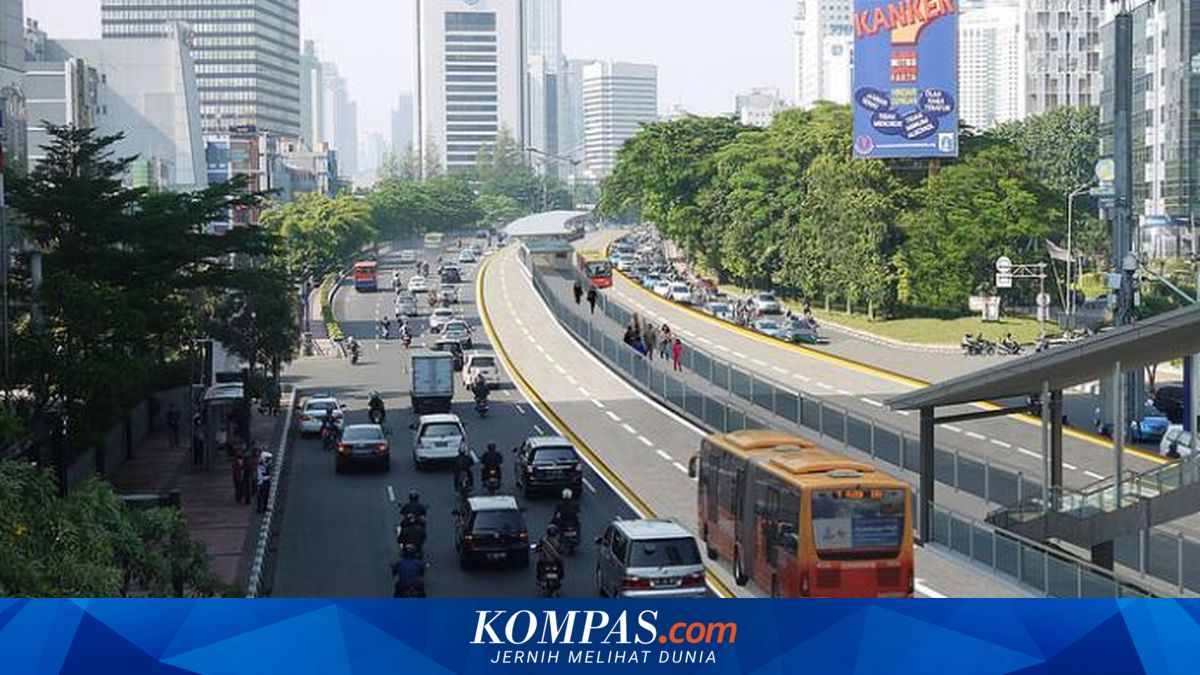
The transformation of the transportation sector not only affects public transport but also directly impacts the automotive industry. This is evident from the push for vehicle electrification and the increasing calls for restrictions on private vehicle usage.
The Institute for Transportation and Development Policy (ITDP) is one of the parties actively driving this change, including in Indonesia.
ITDP’s Southeast Asia Director, Gonggomtua Sitanggang, stated that his organisation has three main focuses in promoting sustainable transport up to 2030.
“We want to increase public transport usage by 50 percent, promote electric vehicle sales, particularly buses and two-wheelers, and increase sustainable transport financing,” said Gonggomtua, when met in Central Jakarta on Friday (10/4/2026).
He explained that the current portion of funding for sustainable transport remains relatively small, not even reaching 10 percent of the total needs.
ITDP’s electrification push does not only target private vehicles but is more focused on mass transportation and two-wheeled vehicles.
This is evident from ITDP’s involvement in developing the roadmap for public transport electrification, including supporting the operation of electric buses in various cities.
Based on ITDP’s data on electric buses and motorcycles, there are currently 578 electric buses in operation. Of these, 470 units operate in Jakarta, while the rest are spread across cities such as Semarang, Surabaya, Medan, Yogyakarta, and Jambi.
One concrete example is Transjakarta. ITDP notes that the operational costs of electric buses are now about 5 percent lower than diesel-fuelled buses.
Additionally, ITDP is promoting the development of electric vehicles for urban logistics, which is considered to have a significant contribution to emissions.
Private Vehicle Restrictions
On the other hand, ITDP also assesses that electrification alone is not enough to address congestion problems in major cities.
Therefore, policies to control private vehicles remain an important part, such as the implementation of Electronic Road Pricing (ERP), low-emission zones, and parking management.
Meanwhile, the number of private vehicles, especially motorcycles, continues to increase. According to data from the Central Statistics Agency (BPS), in 2020 there were 115,023,039 motorcycles, rising to 120,042,298 units in 2021, and continuing to increase to 139,450,013 units in 2024.