
ITDP pushes for public transport electrification
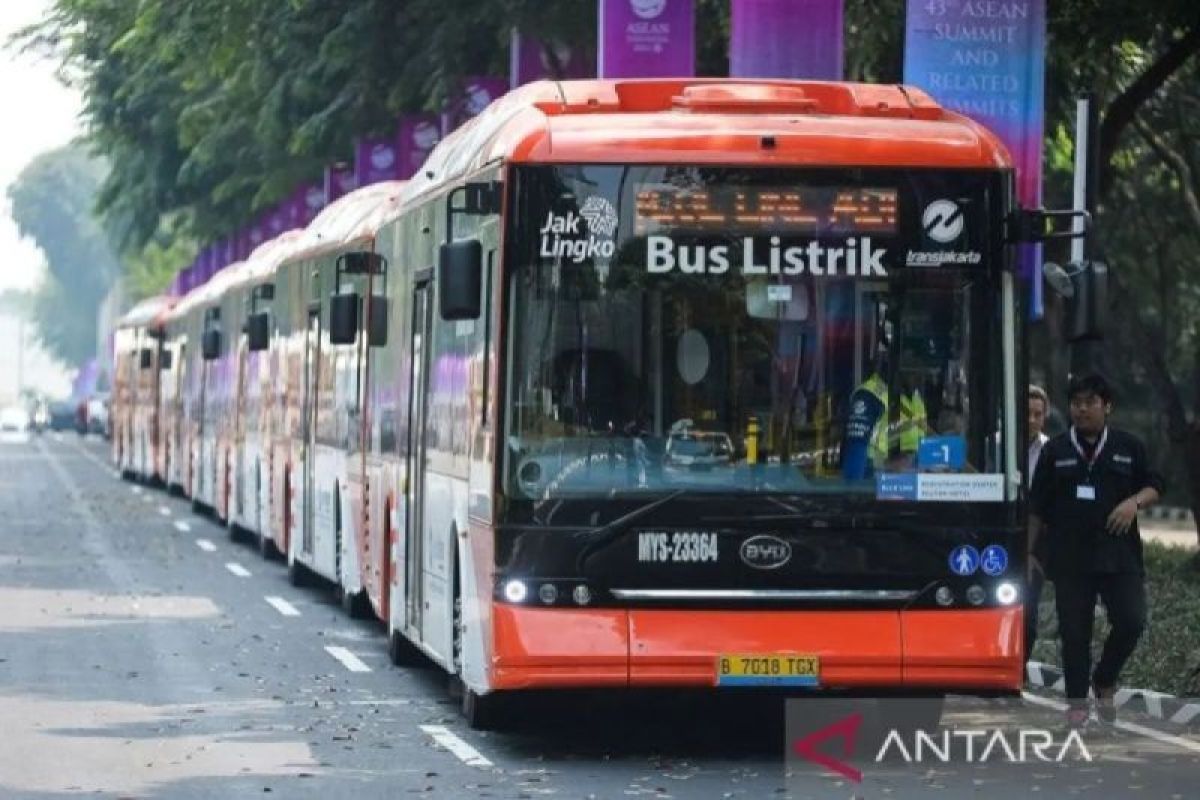
The Institute for Transportation and Development Policy (ITDP) Indonesia is pushing for the electrification of public transport, such as electric buses.
“There are four reasons why we are pushing for this to start with public transport. The first is to maximise impact. An electric bus in Jakarta can travel 200 kilometres in a single day, so the impact will be very significant,” said Gonggomtua Sitanggang, ITDP Southeast Asia Director, in Jakarta on Wednesday.
The second reason, he continued, relates to cost savings. The operational costs of electric buses are already cheaper, particularly for large buses and microbuses.
“The third is ease of planning. The technology is actually not that new. Planning is easier because bus routes are already clear, frequencies are already clear, and stops are already clear. So it is relatively easier for us to plan the use of new technology, including electric buses,” he said.
The final reason is the momentum for public transport reform. ITDP does not only want to replace conventional buses with electric buses, but also wants this to serve as momentum for reforming or improving public transport services.
“Given that the costs are already cheaper, when we plan public transport services, why not go straight to electric buses,” said Gonggomtua.
Previously, Jakarta Governor Pramono Anung Wibowo set a target of 10,000 electric, hydrogen, and hybrid buses operating in Jakarta by 2030 as an effort to reduce emissions.
He hopes that the presence of these buses will help reduce pollution in Jakarta.
In addition to reducing emissions, TransJakarta previously stated that a single electric bus has the potential to save the government up to Rp302 million per year in fuel subsidies.
When calculated with several other aspects, the cost savings over 5.5 years of operation per unit could reach Rp3.9 billion, or the price of one 12-metre electric bus.
This figure is calculated based on the price difference between subsidised diesel and commercial fuel prices, as well as the operational efficiency of electric buses compared to internal combustion engine (ICE) buses.