
ITDC Optimises Green Open Spaces in the Mandalika Special Economic Zone
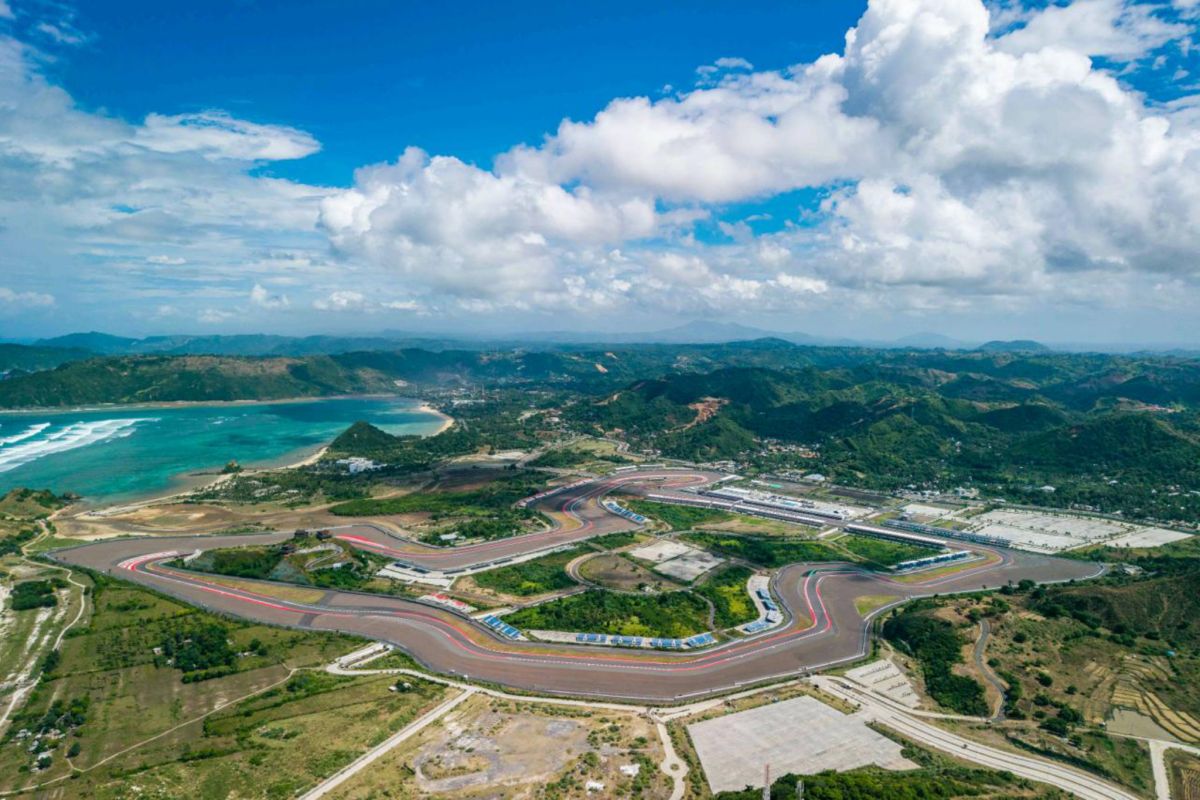
The development of tourist destinations is not only focused on economic growth but also on environmental harmony and improving the long-term quality of life.
Central Lombok (ANTARA) - InJourney Tourism Development Corporation (ITDC) continues to strengthen its commitment to implementing sustainability principles through the development of green open spaces in the Mandalika Special Economic Zone (KEK), West Nusa Tenggara (NTB), amidst the rapid development of the tourism sector.
“The development of tourist destinations is not only focused on economic growth, but also on environmental harmony and improving the long-term quality of life,” said ITDC Commercial and Marketing Director Febrina Mediana in Central Lombok, Friday.
She said that green open spaces play a strategic role in improving the quality of tourist destinations while strengthening the competitiveness of tourist areas.
According to her, green open spaces are not just a landscape element, but are part of an ecological infrastructure that contributes significantly to improving air quality, controlling regional temperatures, and strengthening resilience to climate change.
She said that through the development of nature-based tourism experiences, such as outdoor activities, wellness, and recreation in coastal areas, green open spaces become an important part of promoting a healthy lifestyle, strengthening human connection with nature, and improving the overall quality of tourism experiences.
“This approach also reaffirms ITDC’s commitment to maintaining the sustainability of destinations and strengthening the competitiveness of Indonesian tourism in the long term,” she said.
She said that in The Mandalika, sustainable tourism development is realised through the management of an area of 1,175 hectares with an allocation of green open spaces reaching 363 hectares or about 30 percent of the total area.
As part of strengthening the coastal ecosystem, more than 10,400 trees have been planted throughout 2025 through an environmental rehabilitation program.
This effort continues in 2026 with the planting of 15,000 mangrove trees in coastal areas as a strategic step to strengthen natural protection against abrasion while improving the quality of coastal habitats.
“The development of The Mandalika area also integrates the concept of green space and blue space, which is a combination of vegetation and water elements such as beaches, lagoons, and conservation areas,” she said.