
ITB Expert Analysis: The Strait of Hormuz Is Vital to Global Oil Supplies
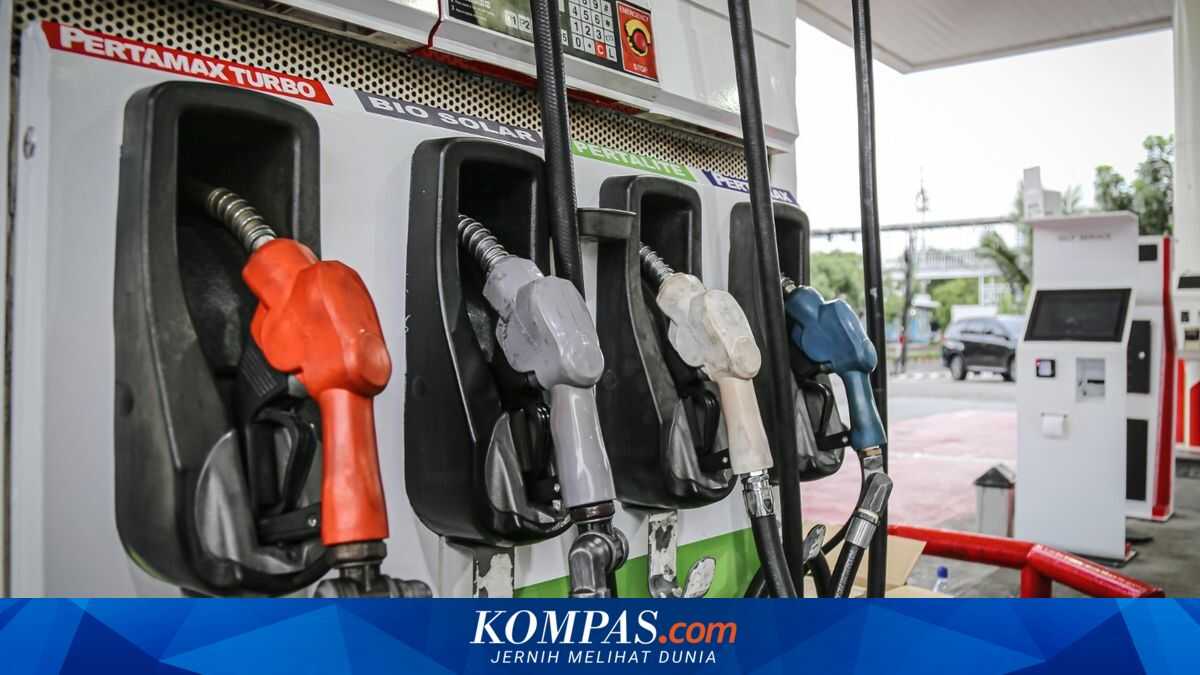
The Strait of Hormuz remains a focal point amid renewed Middle East tensions. The narrow sea lane between Iran and Oman is one of the most strategic routes for the distribution of energy, particularly oil and gas. A specialist explained that most oil exports from Gulf producers pass through this route before being distributed to a range of countries. ‘The Strait of Hormuz is one of the most vital routes for global energy distribution. A large portion of oil exports from the Persian Gulf pass through this route before reaching the global market,’ Tri told Kompas.com on Thursday (5 March 2026). He noted that any disruption in the Strait of Hormuz could have a major impact on global energy supply stability due to the high daily volumes. If energy distribution is disrupted, global markets typically respond with higher crude oil prices. The knock-on effects would be felt by many countries, especially those dependent on energy imports. The Iranian Embassy in Indonesia, for its part, stated that the Strait of Hormuz is still open to international traffic, with the authorities implementing a special traffic protocol for ships transiting the area. ‘The Strait of Hormuz is not closed; it remains open. We, who ensure security in the strait, only implement special traffic protocols during times of war,’ said Iranian Ambassador to Indonesia, Mohamad Boroujerdi. Separately, Energy and Mineral Resources Minister (ESDM) Bahlil Lahadalia assured the public there is no need to fear a near-term rise in subsidised fuel prices. ‘For subsidised fuel prices, I assure that until Eid there will be no increase. Even if there is a price rise due to the Israel–US–Iran conflict,’ said Bahlil. In light of this, the government reaffirmed its commitment to maintaining domestic energy price stability and protecting household purchasing power ahead of Lebaran. KOMPAS.com remains committed to delivering clear, trustworthy, and balanced journalism.