
Israel's Mental Health Crisis: War Trauma and Rising Societal Brutalisation
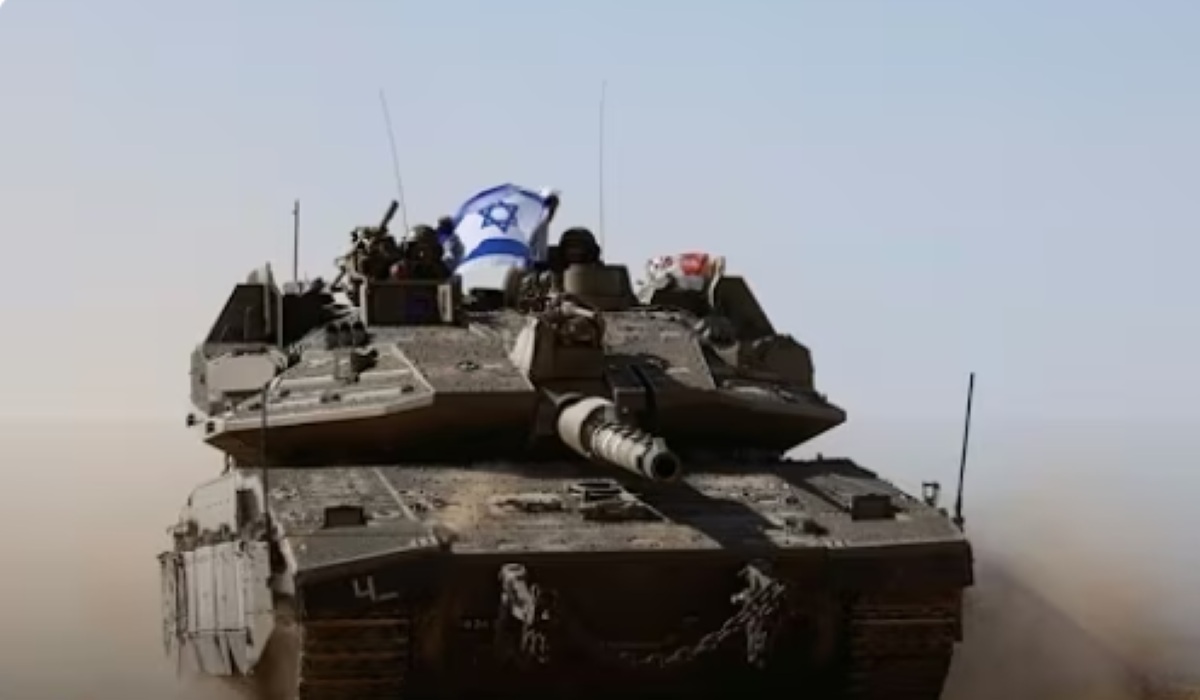
After more than two years of relentless warfare—including the Gaza genocide, October 2023 attacks, and escalating conflicts with Iran, Lebanon, and Syria—Israeli society is gripped by profound trauma. Analysts and internal studies indicate the nation is being reshaped by systemic psychological wounds.
Data from Maccabi Healthcare Services reveals a startling fact: approximately one-third of Israelis feel they require professional mental health support. The situation is far worse among military personnel, both active and reserve.
In January, Israel’s Ministry of Defence reported a nearly 40% rise in Post-Traumatic Stress Disorder (PTSD) cases among soldiers since September 2023. Medical projections estimate this figure could surge by 180% by 2028.
Despite legal obligations, the government is reportedly reluctant to publish the number of soldiers discharged for mental health reasons.
Israeli President Isaac Herzog has openly acknowledged a creeping trend of brutalisation permeating mainstream society. He highlighted increasing internal violence, including attacks by illegal settlers on Palestinians in the West Bank and violence against Christian communities.
‘A terrible process is creeping in—a slow and disturbing process of brutalisation,’ Herzog stated in a formal speech, warning that the phenomenon threatens the nation’s social foundations.
Tuly Flint, a mental health practitioner and combat veteran, told Al Jazeera that the October 7 events acted as a switch shattering civilians’ sense of security. The state institutions’ inability to provide protection has triggered a sense of institutional betrayal.
The impact is evident among younger generations. A poll by N12 targeting young voters (aged 18–21) revealed worrying trends.
Sociologist Yehouda Shenhav-Shahrabani argues that violence is intrinsically part of the state’s structure since 1948. However, the current conflict has given new impetus to fascist currents previously suppressed by liberal narratives.
‘Since October 7, these fascist elements have become more apparent. You can see them everywhere,’ he said.
Zahava Solomon, a professor at Tel Aviv University, added that collective trauma can motivate societies towards greater aggression or negotiation. In Israel’s context, past traumas such as the Holocaust have instilled a sense of absolute victimhood, which is now having fatal consequences for future relations with Palestine.
For frontline experts, recovery from this collective trauma is a long road with no end in sight. As Flint stressed, ‘There is no instant cure—only a very lengthy recovery process.’