
Israel's Alleged Plan to Annex the Ibrahimi Mosque in Hebron
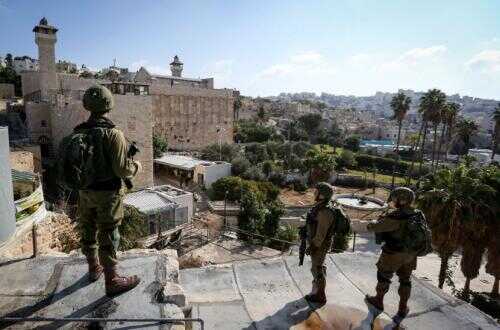
REPUBLIKA.CO.ID, HEBRON – The atmosphere inside the Ibrahimi Mosque in occupied Hebron, Palestine, is reportedly at its most concerning since the tragic massacre of worshippers by Israeli settlers during the dawn prayer in 1994. As the holy month of Ramadan 1447 H/2026 begins, the strict restrictions imposed by the Israeli occupation are gradually eroding the Islamic identity of this sacred site in the West Bank.
The tragedy of 32 years ago, in which dozens of Palestinians were killed while performing prayers, marked a turning point for the occupation forces to tighten their control over the mosque. Now, pressure on worshippers is reportedly increasing through various administrative regulations and various forms of harassment on the ground.
Hosni al-Rajbi (74), one of the 125 Palestinians injured in the 1994 massacre, says that the current situation feels even more difficult than three decades ago. With the help of a wooden cane, he remains steadfast in performing his prayers in the ancient mosque despite the surrounding anxiety.
“These are very difficult times. The pressure felt by the community is even worse than after the massacre,” Rajbi told Middle East Eye. According to him, this year’s Tarawih prayers are marked by deep sorrow over the fate of Hebron and Palestine as a whole.
Reports from the field indicate that almost no worshippers can reach the mosque due to barricades and harassment by Israeli security forces. In addition to physical access, basic necessities to support worship during the holy month are also being denied entry.
Essential Ramadan supplies, such as water and dates, are reportedly being held at the entrance. Even cleaning equipment, such as vacuum cleaners, is being banned. This policy of the occupation forces makes it difficult for mosque staff to maintain the cleanliness of the prayer area. Furthermore, several imams are reportedly being completely banned from entering the mosque complex.