
Israeli Official Says US Strike Against Iran Is Increasingly Likely
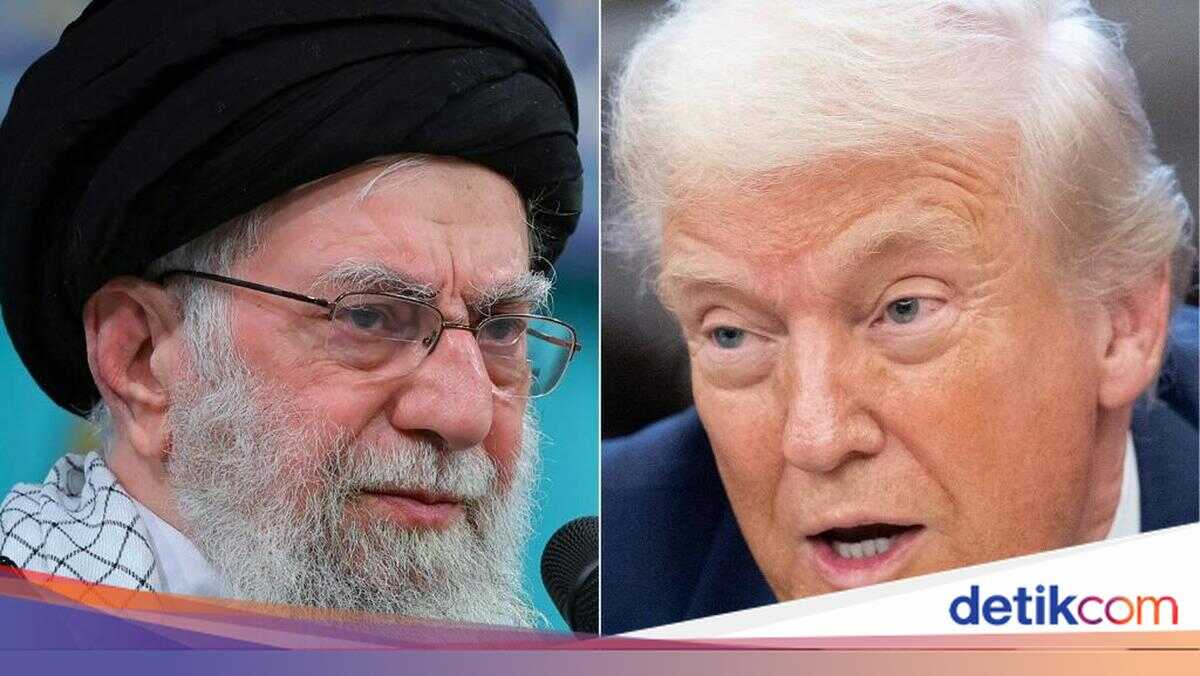
An Israeli official stated on Tuesday (24 February) that a United States strike against Iran is “increasingly likely”, according to a report in the Israeli newspaper, Yedioth Ahronoth.
As reported by Al Arabiya on Tuesday (24 February 2026), the newspaper also quoted sources who have spoken with US President Donald Trump in recent days, stating that he is leaning towards issuing an order for a military strike against Iran.
In a related development, sources told another Israeli media outlet, Channel 12, that Israel has completed its preparations for the possibility of a new front opening up.
Previously, Israeli Prime Minister Benjamin Netanyahu said that Israel is going through complex days. He added that his government is prepared for any scenario.
Meanwhile, President Trump confirmed in a post on his Truth Social platform that if the United States does not reach an agreement with Iran regarding its nuclear ambitions, it will be a very bad day for Iran.
In response, Iranian Deputy Foreign Minister, Kazem Gharibabadi, warned of a wider escalation if his country is attacked.
“We call on all countries committed to peace and justice to take meaningful steps to prevent further escalation,” Gharibabadi said at the Conference on Disarmament in Geneva, Switzerland, as reported by AFP on Tuesday (24 February 2026).
“The consequences of any new aggression will not be limited to one country – and the responsibility will lie with those who initiate or support such actions,” he stated.
Iranian and US negotiators held indirect talks, mediated by Oman, in Geneva last week regarding Tehran’s nuclear programme. Washington said on Monday (23 February) that nuclear negotiations with Iran would resume on Thursday (26 February), with Oman stating that the talks would be held again in Geneva.
“The Islamic Republic of Iran remains committed to diplomacy and dialogue as the most effective way to de-escalation and sustainable security,” Gharibabadi said in his statement.
“The recent diplomatic engagement in Geneva, which will continue on Thursday (26 February), demonstrates that there are new opportunities for negotiations to address differences and build trust – provided that the negotiations uphold mutual respect, fair treatment, and the consistent application of international norms,” he said.
“Any meaningful and credible negotiations must respect the legitimate rights of all countries under international law, and provide tangible security benefits without coercion, unilateral demands, or threats of violence,” Gharibabadi concluded.