
Israeli Official Reveals Bitter Truth: Palestinian Terror Triggers New Horror
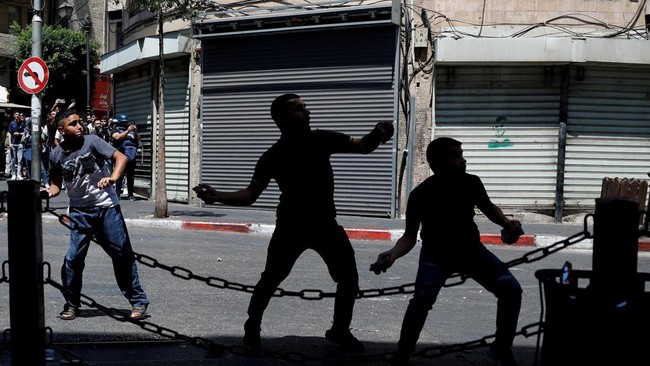
The conflict in the West Bank has returned to the spotlight following an increase in violence perpetrated by Israel against Palestinian residents. Former Israeli diplomat Nimrod Novik assesses that these actions are not only worsening humanitarian conditions but also potentially creating a new cycle of terror that will become increasingly difficult to halt.
Reporting from The Economist, Novik describes how the pressure, intimidation, and violence experienced by Palestinians are gradually pushing some towards radicalisation. He identifies this condition as a threat to Israel’s own security, while simultaneously damaging the nation’s morale and international image.
Novik recounts his encounter with a Palestinian youth, pseudonymously named ‘Ali’, during a tour of the West Bank. According to Novik, Ali was previously uninvolved in politics, demonstrations, or Palestinian resistance organisations, focusing solely on work and supporting his family. However, the situation changed after an Israeli settler established a new outpost just metres from his family home. The presence of these settlers, according to Novik, marked the beginning of increasing pressure on Ali’s family.
Ali was born ten months after his thirteen-year-old brother was killed by Israeli forces. His family lives on ancestral land and relies on sheep farming for their livelihood. Despite living in hardship, the family had previously endured without significant complaint; however, recent pressure from Israeli settlers has drastically altered their lives.
Novik describes various hardships faced by Ali’s family, ranging from the disruption of water and electricity supplies and the theft of livestock to the intrusion of armed groups into their residential area during both day and night. The family also faces pressure to demolish structures deemed illegal, despite the fact that Palestinians in the region almost never obtain building permits. Meanwhile, Israeli settlers committing similar violations rarely face legal consequences.
According to Novik, Ali’s family lives in fear, feeling that Israeli security forces actually support the existence of these settlements. Consequently, every provocation is met with extreme caution to avoid violence or arrest.
The tour attended by Novik included several former Israeli military, security, and diplomatic officials belonging to the organisation ‘Commanders for Israel’s Security’ (CIS). This group comprises over 550 former senior Israeli officials who have been actively voicing concerns regarding the rise in settler violence in the West Bank.
Novik notes that tour participants were shocked by the conditions witnessed on the ground, assessing that the reality of the violence is far worse than what is publicly known in Israel. The CIS has previously warned the Israeli government, parliament, military, and domestic security agencies about the risks of allowing settler violence to persist, suggesting the situation is creating a ‘Wild West Bank’ characterised by terror, looting, and killings.
Hundreds of Palestinians in the West Bank have been killed by settlers or Israeli soldiers since the Hamas attacks on 7 October 2023. Violence has escalated further since the tensions involving Israel, America, and Iran intensified in February. Novik stated he does not know when the pressure on individuals like Ali will lead them to choose the path of violence, but he believes such conditions have the potential to trigger retaliatory actions, whether through groups like Hamas or individual acts. He warned that if such violence occurs, settler groups will likely use the incidents to justify the view that all Palestinians are terrorists, a pattern that will only prolong the cycle of violence and oppression in the region.