
Israel to Allow 10,000 Worshippers for Friday Prayers at Al-Aqsa During Ramadan
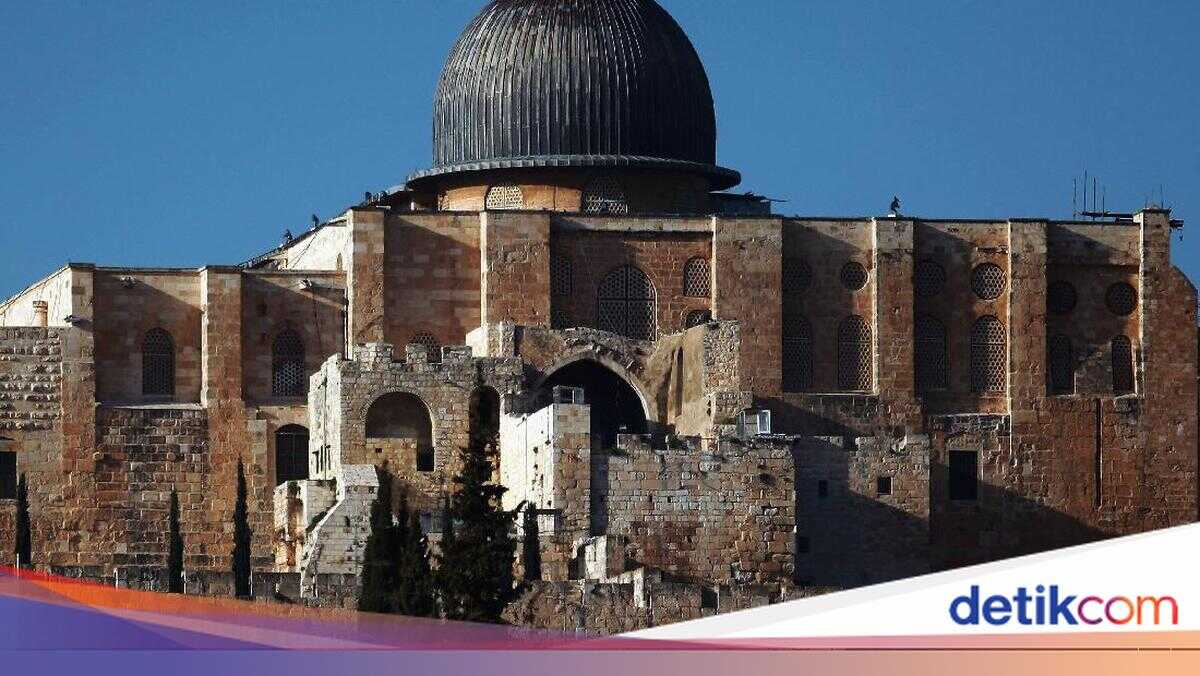
Israeli authorities announced they would allow 10,000 Palestinian worshippers to attend Friday prayers at Al-Aqsa Mosque in East Jerusalem during the holy month of Ramadan, which began on Wednesday (18 February) local time.
Israeli authorities, as reported by AFP on Wednesday (18/2/2026), also imposed access restrictions to the Al-Aqsa Mosque compound during Ramadan. Israel will only permit access for Palestinian men aged 55 and above, Palestinian women aged 50 and above, and Palestinian children up to the age of 12.
“Ten thousand Palestinian worshippers will be allowed to enter the Temple Mount for Friday prayers throughout Ramadan, subject to obtaining special daily permits in advance,” read the announcement from COGAT, the Israeli defence ministry body responsible for Palestinian civilian affairs in the occupied territories.
Temple Mount is the term used by Jews for the Al-Aqsa Mosque compound, which is the third holiest site in Islam and a Palestinian national symbol.
“Access for men will be permitted from age 55, for women from age 50, and for children up to age 12 if accompanied by a first-degree relative,” the COGAT announcement stated.
During Ramadan, hundreds of thousands of Palestinians traditionally worship at Al-Aqsa Mosque, located in East Jerusalem, which Israel captured in 1967 and annexed in a move not recognised internationally.
Palestinian Jerusalem authorities said this week that Israeli authorities had prevented the Jerusalem Islamic Waqf — the Jordanian-managed body responsible for administering the Al-Aqsa Mosque compound — from carrying out routine preparations ahead of Ramadan, including installing shade structures and setting up temporary medical clinics.
A senior imam of Al-Aqsa Mosque, Sheikh Muhammad al-Abbasi, told AFP that he had been barred from entering the mosque compound.
“I have been banned from entering the mosque for a week, and the ban could be extended,” he said.
Al-Abbasi said he was not informed of the reason behind the ban, which took effect on Monday (16 February) local time.
Under a longstanding arrangement, Jews are permitted to visit the Al-Aqsa compound — which they revere as the site of the first and second Jewish temples — but are not allowed to pray there.
Israel says it remains committed to maintaining this status quo, although Palestinians fear it is being eroded.
In recent years, increasing numbers of Jewish ultranationalists have challenged the prayer ban, including far-right politician Itamar Ben-Gvir, who prayed at the Al-Aqsa compound whilst serving as Israel’s National Security Minister in 2024 and 2025.