
Israel Determined to Expel Hizbullah from Southern Lebanon
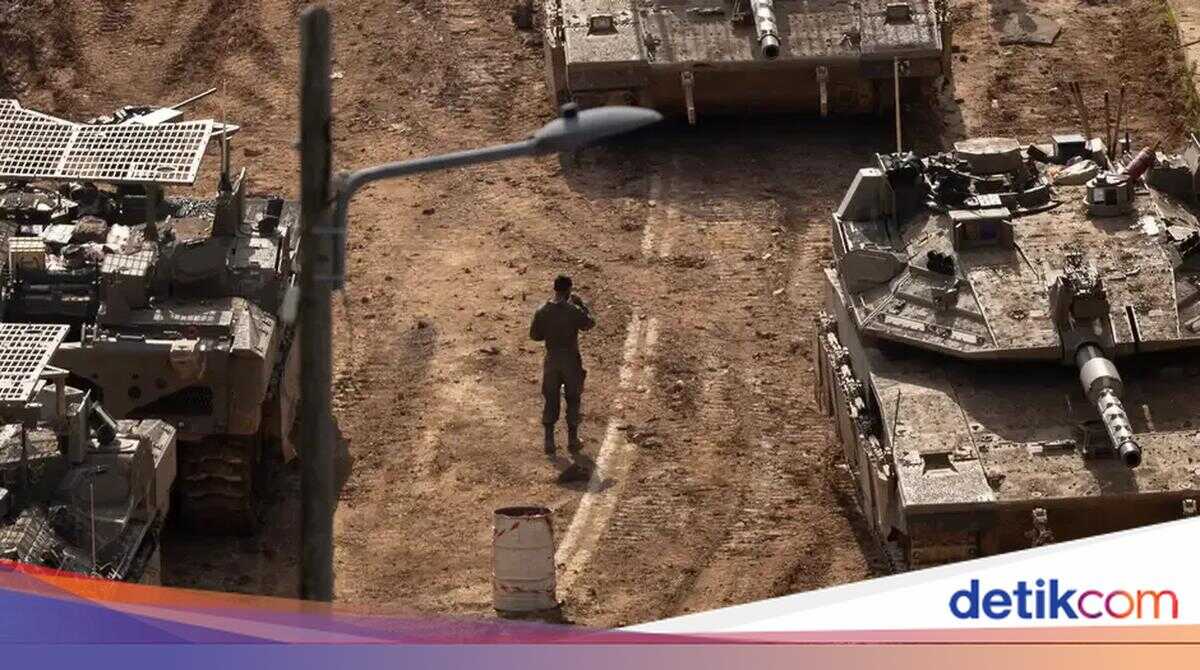
In the past few days, the Israeli military has carried out air strikes against Hizbullah positions in Beirut and southern Lebanon. Infantry troops are now reportedly entering Lebanese territory. The operation is described as a response to the Shiite militia’s attacks. Hizbullah answered the US-Israel air strikes on Iran by attacking targets in northern Israel with rockets and drones from Sunday night, 1 March, to Monday, 2 March.
This military escalation is part of a broader regional conflict. From the perspective of Israeli leadership, this is not just a direct response to militia attacks. Israel is pursuing several strategic objectives—from weakening Hizbullah, to stabilising the northern border, to limiting Iran’s influence in the region.
Elimination of the military threat
Israel regards Hizbullah as one of the largest military threats to national security. The militia, led by Naim Qassem, is respected for its relatively large rocket arsenal and an embedded military structure with networks in the south.
According to Israeli intelligence, Hizbollah rockets can reach nearly every part of the country.
Chief of General Staff of the Israeli Defence Forces, Eyal Zamir, told Haaretz that Israel will not end the war until the Hizbullah threat is removed. The aim is to weaken or completely destroy the group’s military capability allied with Iran.
Israeli expert Peter Lintl, from the German Institute for International and Security Affairs (SWP) in Berlin, sees this as a change in military logic. Generally, this represents a new strategic orientation for Israel, developing after 7 October, he said. The aim is no longer just to contain the foe, but to confront them in a way that they no longer pose a threat, he added, referring to the Hamas attacks that sparked the Gaza War.
But the political scientist also noted the limits of this strategy: ‘Hizbullah is deeply embedded in society and part of Lebanon’s social fabric.’ The complete elimination of the organisation is hardly realistic. It is most likely that Israel will attempt to create a buffer zone in the south and occupy Hizbullah positions there.
Return of civilians to the northern border
Another objective for Israel is to stabilise the security situation in the north of the country permanently. Since the Gaza War in October 2023, which involved Hizbullah, parts of Lebanon near the border have been emptied, with tens of thousands of residents having left their homes.
According to Times of Israel, the Tel Aviv government has made the safe return of northern residents to their homes one of the aims of the military operation.
Lintl notes that the political perspective here is minimal. The main focus is on inflicting maximum damage on the foe. Meanwhile, the political concept for Lebanon is barely visible. ‘You cannot eradicate a political ideology with bombs,’ Lintl stated. Military pressure may buy time, but it does not permanently resolve the underlying political problems.
Weaken Iran’s proxy network
Israel regards the group associated with Naim Qassem as part of a broader regional axis led by Iran. In addition to Hizbullah in Lebanon, the axis of resistance includes pro-Iran groups in Iraq and Syria and the Houthis in Yemen. Chief of General Staff Eyal Zamir told the Jerusalem Post that they aim to remove the threat from the ‘Shiite axis’ led by Iran. Israeli analyses say Tehran conducts its operations through a network of allies and often indirectly provokes conflicts with Israel via proxy groups.
Lintl says the action is essentially understandable: ‘Every state has a legitimate interest in protecting its citizens.’ Israel is seizing the opportunity to use military options against Hizbullah following the militia’s attacks. However, he stresses the operation’s impact. Protecting Israeli civilians often has a large impact on Lebanon: ‘Efforts to create a buffer zone will mean tens of thousands of southern Lebanon residents have to be evacuated.’
Preventing a multi-front war
This strategy is also tied to the aim of preventing a large multi-front war. Prime Minister Benjamin Netanyahu said last year that Israel is in such a war with Iran and its allies.
Israel faces not only Hizbullah in Lebanon, but also Hamas in Gaza and other Iran-aligned militias in the region. Security analyses estimate that these groups could attack Israel simultaneously in a crisis. Coordinated attacks using rockets, drones, or other weapons would place a heavy burden on Israel’s defence. It is estimated that Hizbullah alone possesses up to 150,000 rockets. Israel is therefore seeking to weaken each actor in the Iranian network one by one before an escalation peaks.