
Israel Closes Al-Aqsa Mosque for 16 Days, Bans Final Ramadan Prayers Entirely
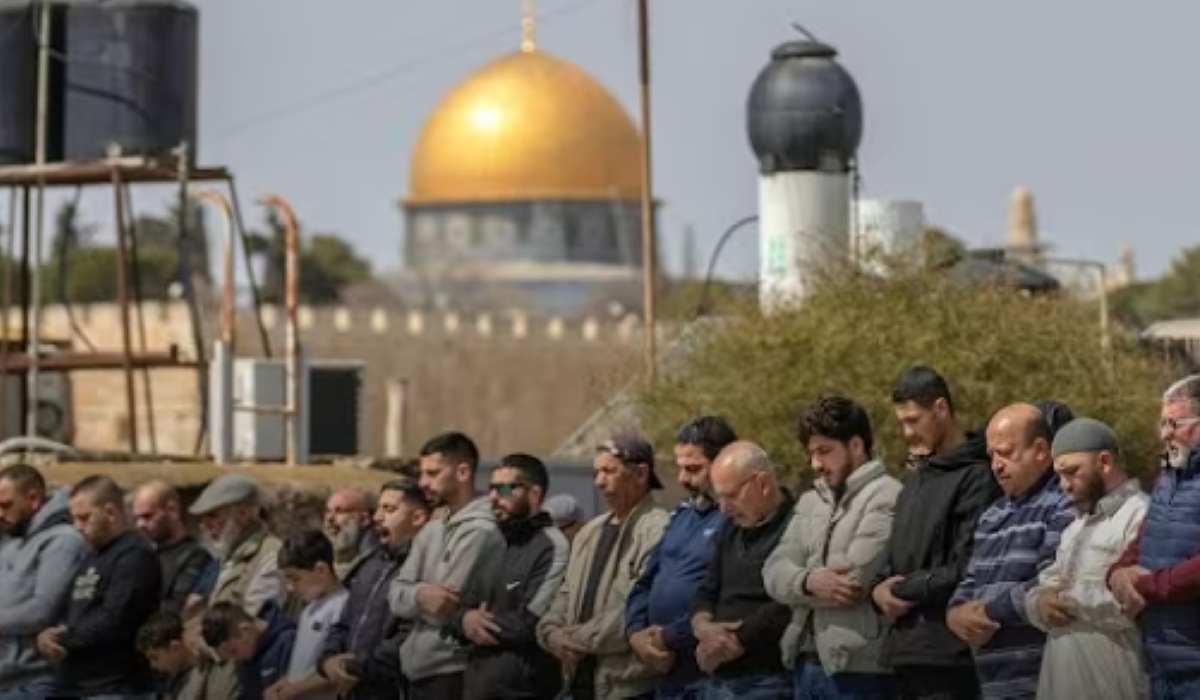
Israeli occupying authorities have completely closed access to the Al-Aqsa Mosque complex in Jerusalem for 16 consecutive days. The closure remained in effect until Monday, 16 March 2026, with strict security measures preventing Palestinian Muslim worshippers from entering the sacred site.
This extreme measure was implemented during the final days of the holy month of Ramadan, which should represent the peak of religious observance for Muslims worldwide.
As a result of the prolonged closure, routine religious activities such as Tarawih prayers and I’tikaf (spiritual retreat) have been prohibited within Al-Aqsa Mosque. According to historical records, this represents the first instance in which the Al-Aqsa complex has been forcibly emptied of worshippers during the end of Ramadan since the occupation of Jerusalem in 1967.
The Jerusalem Governorate has emphasised that this action is not merely a security procedure, but a systematic effort to alter the historical and legal status quo of the Al-Aqsa Mosque complex.
Israeli authorities have justified this policy as a preventive measure related to regional security instability resulting from the ongoing war between the United States-Israel alliance and Iran. However, Palestinian residents and international organisations perceive additional motives behind the closure.
The Jerusalem Governorate has highlighted dangerous incitement from extremist organisations affiliated with the Temple Mount movement. These groups are suspected of pressuring occupying authorities to permanently consolidate control over Al-Aqsa by exploiting the war situation as justification.
To date, the international community continues to urge the reopening of access to Al-Aqsa Mosque, particularly given its significant religious importance during the final days of Ramadan. However, with regional military conflict showing no signs of abating, tensions in Jerusalem are predicted to continue escalating.