
Israel Closes Al-Aqsa Mosque for 11 Days, Banning Tarawih and I'tikaf Prayers
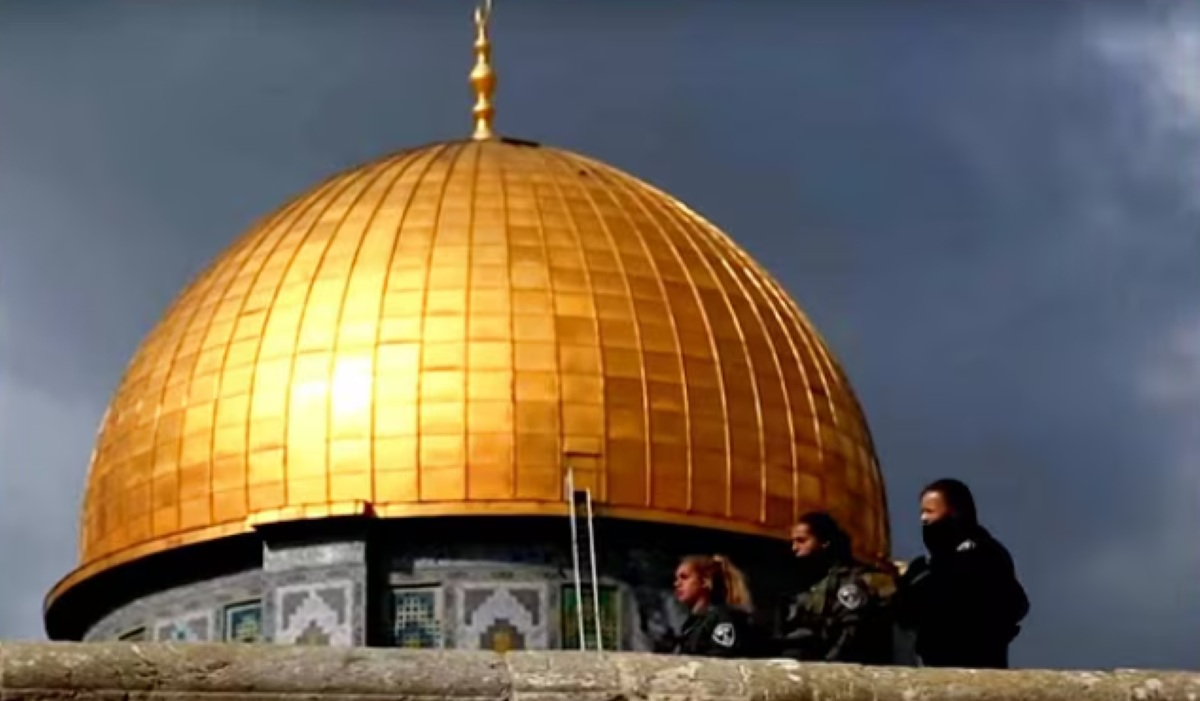
Israeli occupation forces have continued to close access to the Al-Aqsa Mosque complex for 11 consecutive days through Tuesday, 10 March 2026. This policy effectively bars Palestinian Muslim worshippers from entering the holy site for prayer, particularly during the crucial final days of Ramadan.
The Israeli government justifies the complete closure on security grounds, citing escalated conflict involving Iran. However, the measure has provoked widespread condemnation for violating the fundamental right to religious freedom in Jerusalem.
The closure, which has persisted for the final 10 days of Ramadan 2026, represents an extremely dangerous precedent. According to historical records, this is the first time since the occupation of Jerusalem in 1967 that Tarawih prayers and I’tikaf (intensive retreat) have been completely banned at Al-Aqsa Mosque.
The situation has created significant tension in the Old City of Jerusalem. Thousands of worshippers typically gather at the mosque complex during Lailatul Qadar (Night of Power) in search of spiritual blessings.
The Jerusalem Provincial Government has officially warned of escalating incitement led by the extremist organisation Temple Mount (Bukit Bait Suci). These groups are exploiting the mosque closure to push for changes to the religious and historical status quo at the complex.
The provincial government emphasised that the current situation is not merely a temporary security measure as occupation authorities claim. “This is rather a political and ideological agenda intended to change the existing legal status quo of the Al-Aqsa Mosque complex,” stated the official statement, citing WAFA sources.
The international community is now urging the immediate reopening of Al-Aqsa Mosque access to prevent a major escalation of conflict in the already-tense Middle East region, compounded by Iranian-Israeli tensions.