
Israel Claims Victory in War Against Iran: Is It True? Here's What the Analysts Say
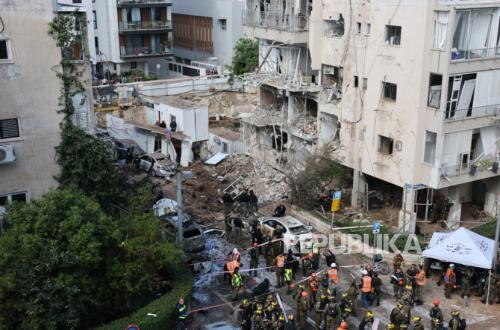
In recent weeks, more voices in Israel have warned about the widening gap between official rhetoric speaking of major achievements and victories attained. Yet the reality on the ground is far more complex, showing that Israel’s enemies remain capable of enduring, reorganising their ranks, and continuing to deliver blows to Israel’s domestic front. This reassessment is not limited to direct military performance but extends to the core of the intelligence and political system that forms the basis of war decisions and victory assessments in Israel. From Iran to Lebanon, and previously in the Gaza Strip, the same pattern repeats: optimistic estimates regarding deterrent effects, exaggeration of damage measurements suffered by the opponent, and assumptions that hard attacks will quickly lead to the collapse of the enemy’s resolve, regime overthrow, or imposition of a settlement on Israel’s terms. However, in reality, it repeatedly goes in a different direction, showing that what is presented to the public as victory is not always more than just temporary political and media imagery, which quickly erodes under field pressures. Unsupported victory rhetoric Senior writer at the Yedioth Ahronoth newspaper, Nahum Barnea—in an article published on Monday, 6 April—quoted by Al Jazeera, begins his piece with direct criticism of the ‘Great Victory’ rhetoric, viewing that the facts themselves do not support it. Aircraft shootdowns, as well as the opponent’s ongoing ability to repair its systems and retaliate with missiles and drones, are all indicators that contradict political celebrations.