
Islamic Social Financial Instruments Amid Global Energy Turmoil
The world today is in a precarious state. Escalating geopolitical conflicts, particularly in the Middle East, have shaken global stability. Wars involving major powers extend beyond the military dimension to impact the economy, energy sector, and global societal welfare. Energy prices have skyrocketed, inflation has risen, supply chains have been disrupted, and uncertainty has become the defining feature of the global economy.
The latest data underscores the severity of this crisis. Brent crude oil prices have surged more than 50 percent since the conflict began and briefly exceeded US$119 per barrel. In the worst-case scenario, oil prices could reach US$150 to US$200 per barrel if supply disruptions persist.
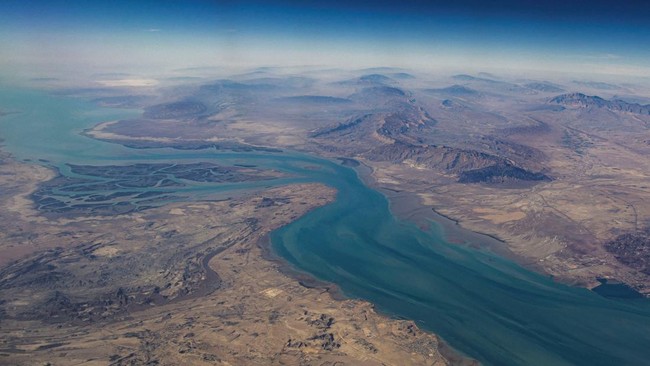
This increase is not merely a routine fluctuation but a strong signal of structural disruptions in the global energy system. Even more concerning, around 20 percent of the world’s oil and gas supply passes through the Strait of Hormuz, a strategic route now disrupted by the conflict. Disruptions in this route have led to a global supply reduction of millions of barrels per day.
This situation places immense pressure on energy-importing countries, particularly in Asia. Dependence on imported energy and food intensifies economic pressures. In Indonesia, the threat of imported inflation is becoming real, with potential rises in fuel, electricity, and essential goods prices, while consumer purchasing power has not fully recovered.
Amid this turmoil, a fundamental question arises: can the current global economic system provide fair protection for societies, especially vulnerable groups? Or do we need an alternative approach that prioritises not only growth but also social justice?
It is in this context that Islamic social economic instruments such as zakat, wakaf, infak, sedekah, and innovations in Islamic social finance become relevant to discuss and prioritise once again.
The global energy crisis triggered by geopolitical conflicts reveals one crucial point: the world economy is highly vulnerable to external shocks. Dependence on fossil fuels concentrated in certain regions makes global economic stability easily disrupted.
Moreover, the modern economy, based on market mechanisms, often fails to protect the most vulnerable groups. When energy prices rise, those most affected are low-income communities. When inflation increases, those who suffer the most are those without assets.
This phenomenon highlights structural inequalities in the global economic system. Economic growth does not always equate to equitable welfare distribution. In many cases, crises even widen the inequality gap.
It is here that Islamic economics offers a different perspective. Beyond merely addressing halal and haram, Islamic economics emphasises distributive justice, protection of vulnerable groups, and social responsibility as integral parts of the economic system.
For too long, Islamic economics has been reduced to merely an interest-free banking system. In reality, in a broader framework, Islamic economics is a value system encompassing social, moral, and economic dimensions simultaneously.
One key pillar of Islamic economics is the existence of Islamic social financial instruments. These instruments aim not only to collect funds but also to distribute them equitably to enhance societal welfare.
Zakat, for instance, is not just a religious obligation but a wealth redistribution mechanism designed to reduce inequality. Wakaf, on the other hand, is a long-term development instrument that can be used to build social infrastructure such as schools, hospitals, and other public facilities.
The combination of zakat and wakaf creates a unique system: zakat operates in the short term to meet basic needs, while wakaf works in the long term to foster economic independence.
In the context of the global crisis, zakat plays a highly strategic role as a social safety net. When the economy weakens and poverty levels rise, zakat can directly target the most vulnerable groups. Data shows that zakat can reach communities in extreme poverty categories, making it an effective social protection instrument.
Zakat’s advantage lies in its direct and targeted nature. Unlike conventional social assistance often hindered by bureaucracy, zakat can be channelled quickly to those in need.
However, the challenges are not insignificant. During a global crisis, people’s ability to pay zakat may also decline. Reduced income and asset values can directly impact zakat fund collection. Therefore, innovations in zakat management are needed, including digitalisation, data integration, and inter-institutional collaboration to ensure zakat remains optimal amid global economic pressures.
If zakat serves as a short-term solution, wakaf is a strategic instrument for building long-term economic resilience. Wakaf has great potential in economic development, from education and health sectors to productive economic initiatives. Various productive wakaf innovations have emerged, including hospital wakaf, educational wakaf, and wakaf for sustainable urban development.
In the context of the energy crisis, wakaf can even be used to build renewable energy infrastructure, such as community-based power plants. Wakaf opens opportunities for communities to not only…