
Islamic law on zakat allocation for mosque construction: permissible or not?
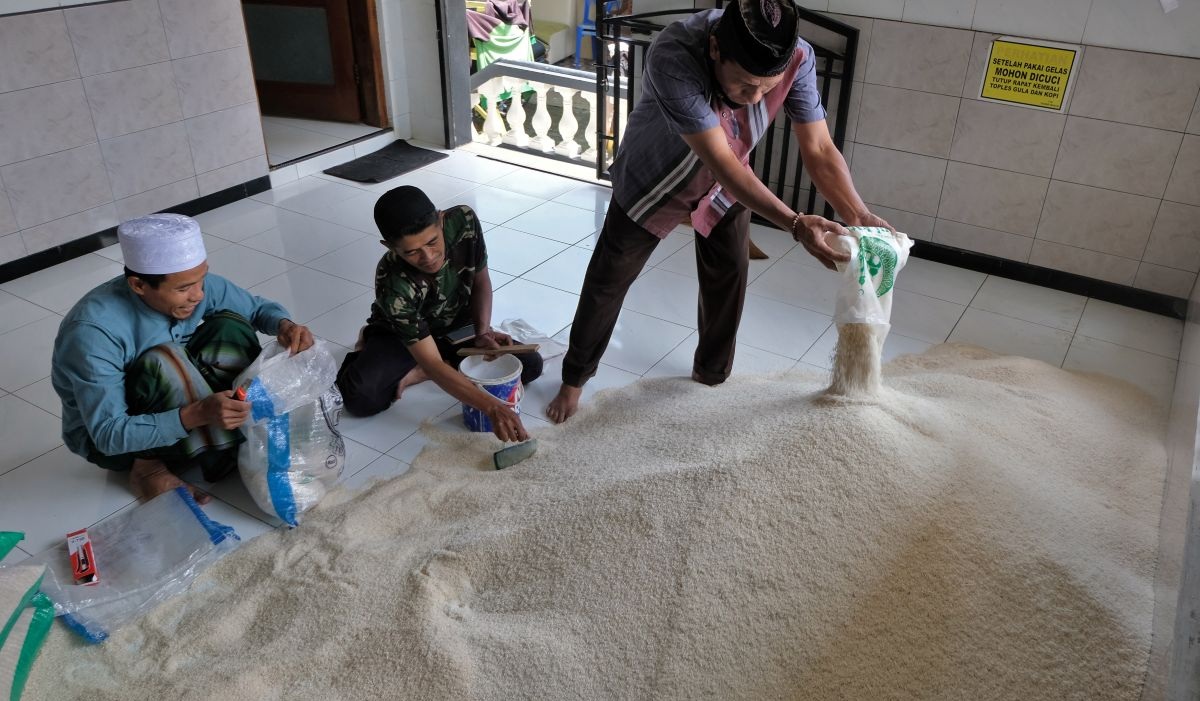
The issue of allocating zakat funds for physical development of mosques, madrasahs, or Islamic boarding schools is a classical topic frequently asked by Muslims ahead of Idul Fitri and when disbursing zakat mal (wealth zakat). Many mosque administrators (takmir) hope to use zakat funds to accelerate the development of worship facilities.
However, in classical and contemporary Islamic jurisprudential literature, there are very strict limitations regarding who is entitled to receive zakat wealth. This article provides an in-depth examination based on the perspective of ulama from Nahdlatul Ulama (NU) and the four major Islamic schools.
The primary foundation for zakat distribution is the Qur’an, Surah At-Taubah verse 60, which states:
“Alms are only for the poor, the needy, those employed to administer them, those whose hearts are to be reconciled, those in bondage, those in debt, those in the path of Allah, and the wayfarer…”
Based on this verse, mosques are not explicitly mentioned as one of the recipients of zakat. This is the basis for why the majority of scholars are cautious on this matter.
The only possible avenue through which zakat could be used for mosques is through the asnaf (category) of fi sabilillah. However, there are two major schools of interpretation among scholars:
The majority of scholars from the Hanafi, Maliki, Shafi’i, and Hanbali schools of thought believe that fi sabilillah is intended only for those who wage holy war in the path of Allah (mujahideen) who do not receive a regular salary from the state. In this view, zakat cannot be used to build mosques, repair roads, or shroud the dead.
Some scholars, including Imam Al-Qaffal from the Shafi’i school and contemporary scholars such as Sheikh Yusuf al-Qaradawi, tend to expand the meaning of fi sabilillah to sabilul khair (the path of goodness). They argue that all means supporting preaching and establishing Allah’s religion, including mosques and madrasahs, fall within this category.
Specifically regarding zakat fitrah (obligatory alms at the end of Ramadan), the rules are far stricter. The primary purpose of zakat fitrah is to feed the poor (th’umatan lil masakin) so they can join in the joy of the feast day. Therefore, allocating zakat fitrah for cement, bricks, or mosque construction is considered invalid by the vast majority of scholars because it does not meet the consumption requirement for the needy.
To ensure mosque development continues without violating zakat’s Islamic provisions, the following recommendations are suggested:
According to the majority of scholars, it is not permissible. However, if following the opinion that expands the meaning of fi sabilillah, some contemporary scholars permit it on condition that zakat allocated for the poor and needy is already sufficient.
If undertaken due to lack of knowledge, it should be stopped immediately, and henceforth allocate funds according to the appropriate categories. For amounts already spent, it is advisable to replace them with voluntary contributions (infak) if possible.
The primary priority is the poor and needy in the vicinity where the zakat was collected.
Conclusion: Safeguarding the trust of zakat wealth is crucially important. For the integrity of worship, distribute zakat to individuals in need, and build mosques with the spirit of community cooperation through voluntary contributions and charitable giving.