
Islamic Boarding Schools View PP Tunas as Not Limiting Children's Expression Space
Jakarta (ANTARA) - Several pesantren leaders assess that Government Regulation Number 17 of 2025 on the Protection and Governance of Electronic Systems in Child Protection (PP Tunas) does not limit space for expression but rather spurs children’s creativity away from dependency on social media.
Muhammad Rizqy Nawwari, head of Pondok Modern Al Barokah in Nganjuk, told ANTARA in Jakarta on Sunday that the aim of PP Tunas is very positive in preventing children from using gadgets excessively, which aligns with the Islamic perspective on preserving the mind (Hifzhul Aql), religion (Hifzhul Din), and soul (Hifzhul Nafs).
“First, regarding outlets for expression, I think for that age group, there are still plenty of other avenues for expression besides social media,” said Nawwari.
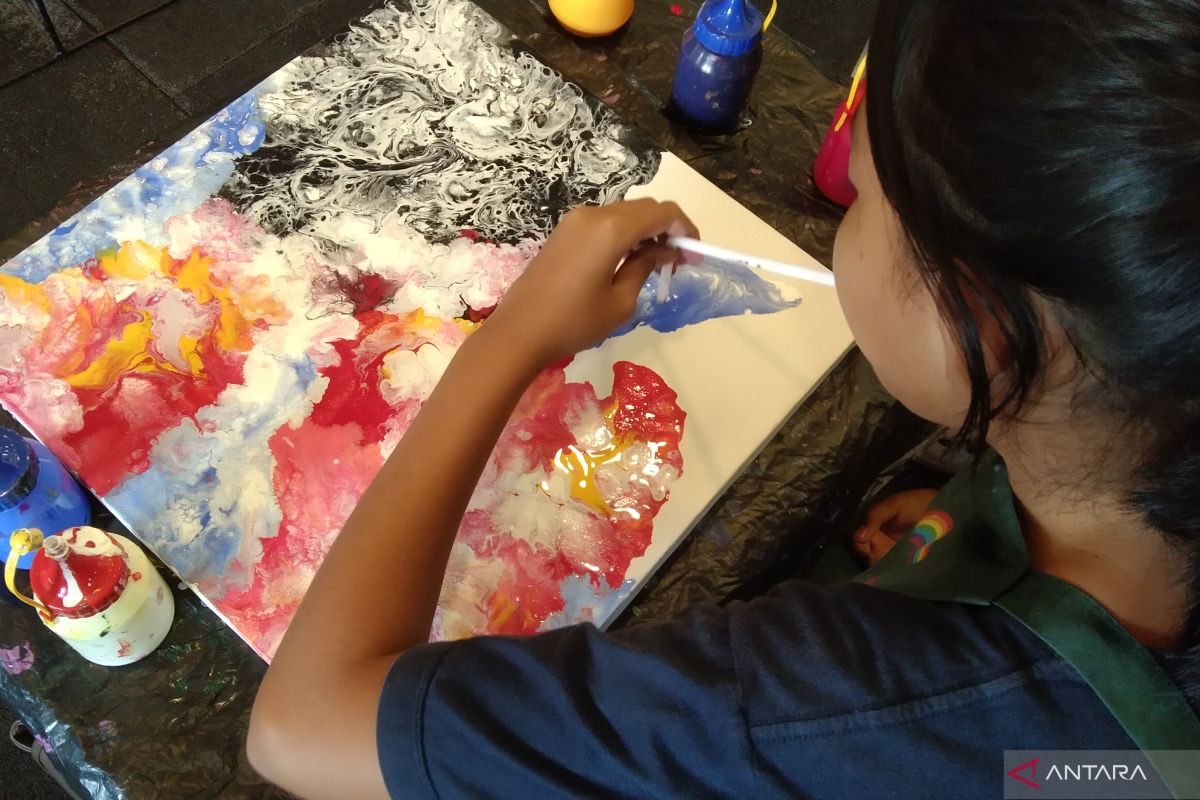
He exemplified that in pesantren, children are encouraged to interact socially in person to avoid becoming antisocial due to gadgets. Expression outlets are redirected to intensive extracurriculars such as writing, discussions, photography, and multimedia.
For children with potential in the digital realm, Nawwari said, pesantren can still provide space without allowing them to hold gadgets freely, by channelling their video or design works through the pondok’s official media accounts.
In agreement, the view that gadget restrictions will stifle children’s creativity was also refuted by Eksa Miyasah Pamilu, caregiver at Pondok Pesantren Muhammadiyah Boarding School (MBS) Jetis in Ponorogo.
According to Eksa, the pesantren ecosystem has proven that limiting access to electronics and social media actually prompts santri to find new ways to create.
“If social media is restricted, it will actually trigger their brains to become creative. There’s brain rot content on social media that children consume, which actually makes their brains dull,” said Eksa.
Parents are urged to have good digital literacy and not be technologically illiterate (gaptek), so they truly understand the purpose of digital supervision for children, rather than just giving permission haphazardly.
Previously, Minister of Communication and Digital (Menkomdigi) Meutya Hafid emphasised that the Indonesian Government will not compromise with digital platforms that fail to comply with the mandate to protect children in the digital space in line with PP Tunas.
PP Tunas takes effect from 28 March 2026, and every digital-operating business entity is required to comply with the provisions of the regulation.