
Islamic Boarding School Graduates Rise Up: Studying, Serving, Driving the Community Economy
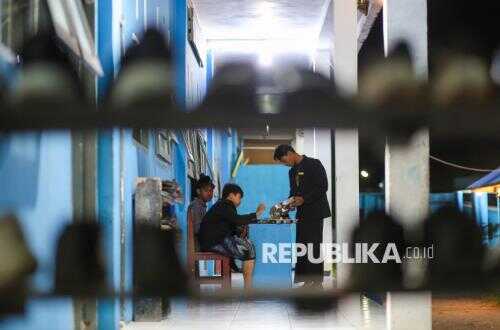
In the portico of the pesantren, time always feels different. There, dawn arrives with the chanting of prayers, the day is filled with teachings from Islamic texts and lengthy discussions, and the evening closes with prayers that reach toward the heavens. Living in the dormitory, eating, learning, sleeping, and growing in a single environment, gives Islamic boarding school students (santri) something rarely possessed by other students: intensity.
This is what the Chair of the Indonesian People’s Consultative Assembly (MPR RI), Ahmad Muzani, emphasised whilst attending an iftar gathering at Pondok Pesantren Asshiddiqiyah, Jakarta. According to him, dormitory life is genuinely a golden opportunity. Santri not only learn in classrooms but live in an atmosphere of knowledge twenty-four hours a day.
“Santri must use this opportunity well,” he said. The opportunity to read more, ask deeper questions, and explore not only religious knowledge but also general sciences that become the foundation for facing the modern era.
For Muzani, the lessons taught by teachers, clerics, and Islamic scholars at pesantren are the foundation of the basic methodology of any science. The method of thinking, the way of understanding texts, and the framework for weighing issues. After that, the space for deeper study opens widely, at university, in the professional world, or in spaces of community service. He sees that Asshiddiqiyah alumni have proven this: they pursue diverse professions and public positions, compete in various disciplines, without being severed from their pesantren roots.
It is these roots that are now being cultivated into new branches of empowerment. In Ramadan 1447 Hijriah (the Islamic calendar year), Indonesia’s National Amil Zakat Board (Baznas) launched the “Santri Empowering Villages” programme. A total of 78 santri were deployed to 26 locations across eight provinces, from South Sumatra to West Nusa Tenggara, to live together with farmers, livestock herders, and assisted micro, small and medium enterprise (MSME) operators.
For Saidah Sakwan, the Head of Baznas’s Distribution and Empowerment Division, this programme is not merely volunteer placement. It is a “real-world laboratory” for millennial santri. On one hand, they lead religious teachings, dawn sermons, and religious literacy programmes; on the other hand, they learn directly about agribusiness management, food store management, and microenterprise development.