
Is WFH Effective in Saving Fuel Consumption? Energy Economists Weigh In
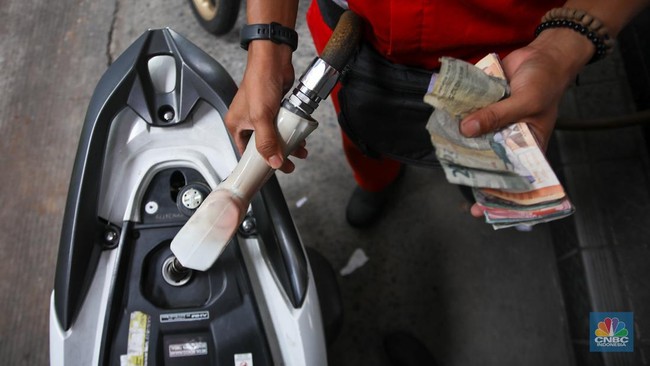
Jakarta, CNBC Indonesia - The government is currently reviewing the implementation of a Work From Home (WFH) system for one day per week. One of its objectives is to save on fuel oil (BBM) consumption amid the escalation of geopolitical tensions in the Middle East.
The policy will apply to Civil Servants (ASN) and will also be recommended for private sector employees.
In response to the plan, Executive Director of the Center of Economic and Law Studies (CELIOS), Bhima Yudhistira, assesses that the WFH option has downstream impacts that burden lower-class workers.
According to him, the policy will only be effective if the government is willing to provide substantial social cushions as compensation for their lost income.
“The answer is not WFH to save on BBM, but to allocate massive subsidies for public transport. WFH can reduce productivity and impact informal and labour-intensive businesses. Unless the government wants to provide BSU compensation, Rp 3.5 million per month to workers for 6 months,” Bhima told CNBC Indonesia on Wednesday (25/3/2026).
As an alternative, Bhima suggests that the Indonesian Government emulate the steps taken by European countries in facing oil price shocks. He cites Spain’s policy in 2022, which made public transport fares free for regular users to mitigate the energy crisis effects from the Ukraine conflict.
In addition to public transport subsidies, Bhima also urges the acceleration of the electric vehicle electrification programme in parallel.
“Sweden is a country that is immune to oil volatility because 61% of the share of EVs (electric vehicles) from all new cars,” he added.
Meanwhile, Energy Observer from the ReforMiner Institute, Pri Agung Rakhmanto, believes that implementing WFH cannot be viewed solely through the lens of effectiveness, but must be adjusted to the urgency and escalation of the crisis occurring.
He is confident that the government is currently preparing various contingency measures carefully.
“The government is certainly reviewing and preparing anticipatory and contingency steps and continuously monitoring developments (of the war) that are happening. So, this is not a matter of effective or not effective, but looking at developments and needs,” said Pri Agung.
Pri emphasises that the government’s primary priority at this time should be focused on securing oil and gas supplies from abroad before a global supply crisis truly occurs.
“I think the government’s focus now will also be on how to obtain and secure oil and gas supplies from the global market first. Diplomacy with countries that produce or have surplus oil and gas needs to be intensified. Including with Iran, which controls traffic in the Strait of Hormuz,” he stressed.