
Is There Already an Ebola Vaccine? An Explanation and Its Potential Spread in Indonesia
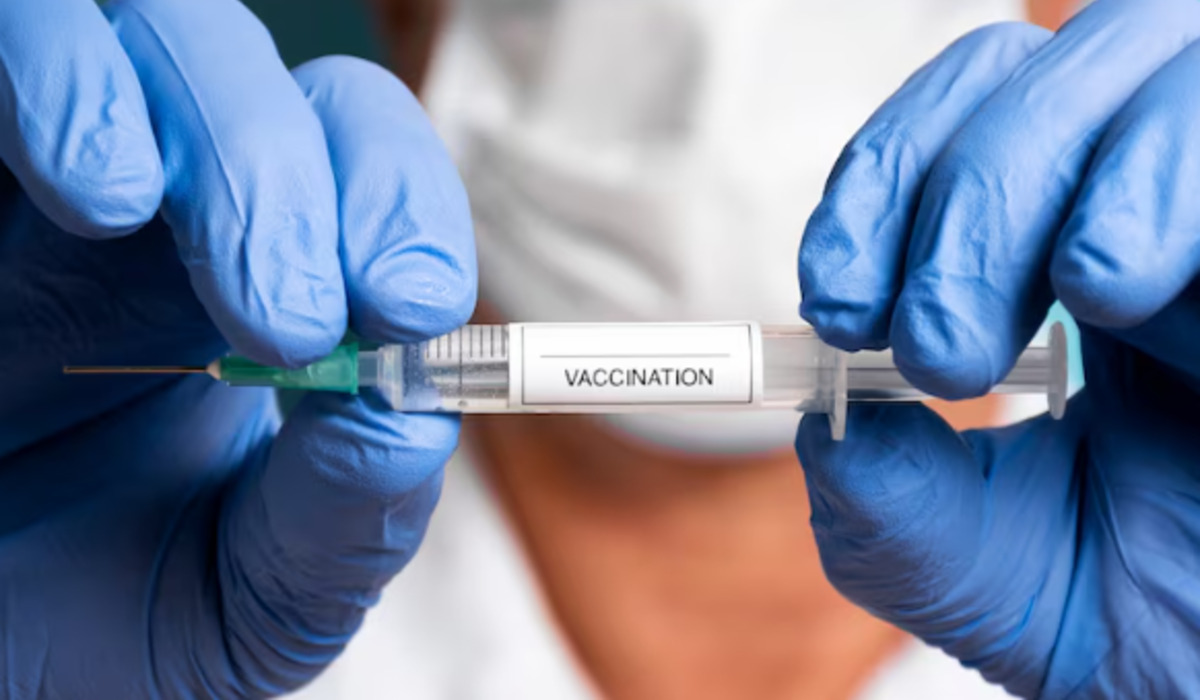
In recent decades, the world has witnessed remarkable advances in biotechnology to tame one of the deadliest viruses, Ebola. Questions about vaccine availability and its potential threat to Indonesia have become crucial amid increasing global mobility. This article will review the latest status of Ebola vaccination and how Indonesia sits on the global risk map.
The answer is yes. Today, the medical world has vaccines proven effective in preventing infection with the Ebola virus, particularly the most deadly Zaire strain. The availability of this vaccine has transformed outbreak management from primarily reactive to preventive.
Ervebo, produced by Merck, is the first vaccine to receive World Health Organization (WHO) prequalification in 2019. This vaccine is a single-dose shot and uses a weakened vesicular stomatitis virus to carry a protein from the Ebola virus, thereby triggering an immune response without causing disease.
Developed by Johnson & Johnson, this is a two-dose regimen. The first dose (Zabdeno) is given to prime the immune system, followed by the second dose (Mvabea) about eight weeks later to strengthen long-term protection. This vaccine is typically used in high-risk areas but where there is no active outbreak.
These vaccines are currently prioritised for “Ring Vaccination” (ring vaccination), i.e., vaccinating people who have contact with confirmed cases to break the transmission chain.
Geographically and biologically, the risk of Indonesia experiencing a large-scale Ebola outbreak is categorised as low, but not zero. Here is the risk analysis:
Ebola is a zoonotic disease whose natural hosts are certain fruit bat species (Pteropodidae) found in sub-Saharan Africa. To date, there is no scientific evidence that bats in Indonesia carry the Ebola virus African strain. This minimises the risk of direct transmission from animals to humans within the country.
The main risk to Indonesia comes from human mobility. International flights connecting Indonesia with African countries via layovers in the Middle East or Europe enable entry of individuals in the incubation period. Migrant workers, humanitarian volunteers, or business travellers are groups closely monitored when arriving from affected regions.
Indonesia has extensive experience in handling infectious diseases (such as Avian Flu and COVID-19). The Ministry of Health has established fixed protocols (Protap) to address the Ebola threat, including:
Although the risk is low, Indonesia must remain vigilant against “Ebola-like diseases” or viruses from the same family (Filoviridae). Monitoring illegal wildlife trade is also key, because viruses often move via contact with bushmeat from wild animals whose health has not been tested.
The world is now far better prepared to confront Ebola than a decade ago thanks to the Ervebo and Zabdeno vaccines. For Indonesia, the threat of an Ebola outbreak in 2026 remains at a level of vigilance against imported cases. With strict port health protocols and a hospital referral system that has been tested, the potential for an Ebola pandemic in Indonesia can be minimised. The public is urged to remain calm but to continually follow official health information from the government. (H-3)
The WHO has declared the Bundibugyo Ebola outbreak in Congo and Uganda a public health emergency of international concern after almost 100 deaths in May 2026.
In-depth analyses of the Ebola virus fatality rate, which reaches up to 90%, and scientific explanations for why the human immune system struggles to fight this infection.
A comprehensive guide to Ebola, its modes of transmission, high mortality rate, and analyses of pandemic potential according to global health experts.
The director of the postgraduate programme at YARSI University, Tjandra Yoga Aditama, says the Ebola outbreak in Africa now requires strengthened international cooperation.
The US President Donald Trump expresses concern about the Ebola outbreak in Congo after an American doctor contracted the disease. The US imposes a travel ban on foreign visitors.
The Ministry of Health urges Indonesians to be vigilant about the Ebola outbreak in the Democratic Republic of Congo and Uganda after the WHO declared the PHEIC. See health protocols and clinical symptoms.