
Is it permissible to perform Tarawih prayers without performing Isha prayers? Here is the explanation.
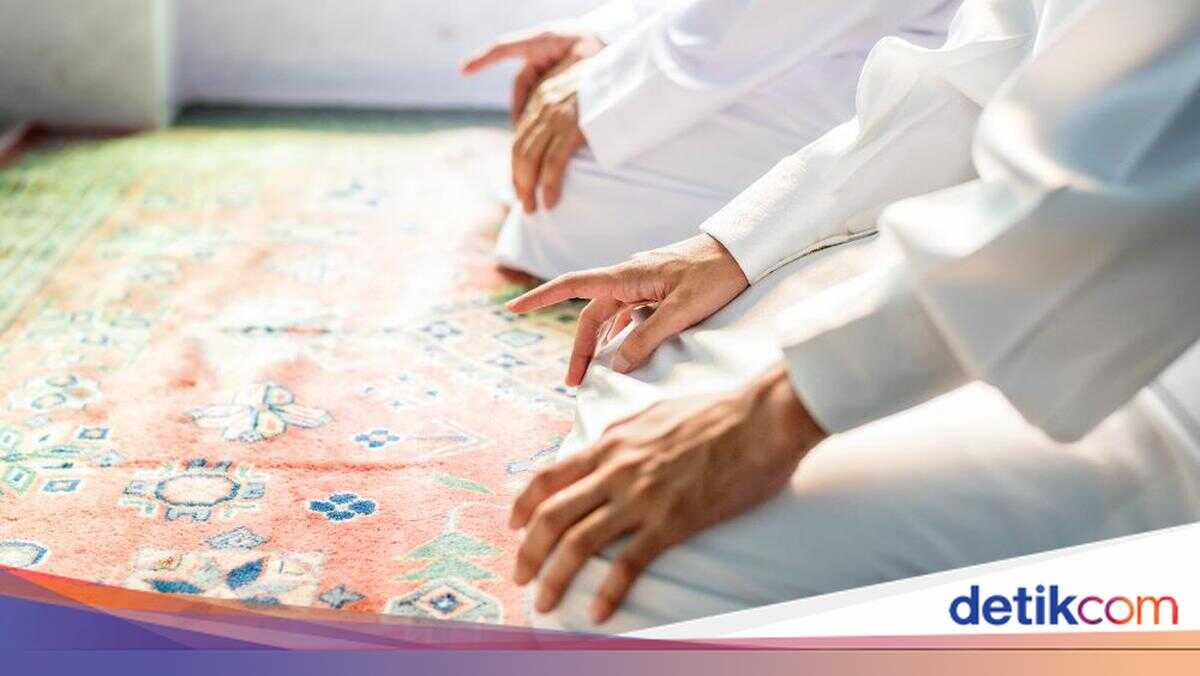
The month of Ramadan always brings great enthusiasm for Muslims to seek blessings through a series of night worship. However, it is not uncommon for someone to arrive late at the mosque when others have already started Tarawih prayers. This situation often raises questions: is it permissible to immediately join the Tarawih prayers without performing Isha prayers?
Tarawih prayers have a legal status that depends heavily on the completion of Isha prayers as a prerequisite for their performance. Neglecting this order not only risks making the worship invalid but also eliminates the essence of the purpose of Tarawih prayers as a complement to obligatory prayers.
To ensure that worship during the holy month remains perfect and in accordance with Islamic law, it is important to know the rules. Here is a detailed review of the law regarding performing Tarawih prayers before Isha prayers, detikers!
The main points are:
Isha prayers are a mandatory prerequisite for the validity of Tarawih prayers; without performing Isha first, Tarawih prayers are considered invalid or merely a non-obligatory sunnah.
Those who arrive late are strongly encouraged to complete Isha prayers independently or join the congregation before joining the Tarawih congregation.
The performance of Tarawih prayers is very flexible, starting immediately after Isha until the dawn (Subuh) prayer.
Is it permissible to perform Tarawih prayers without performing Isha prayers?
Quoted from NU Online, there is an absolute requirement that must be met before starting. Tarawih prayers can only be performed if one has completed Isha prayers first. This provision makes the law of performing Tarawih prayers before Isha invalid. This rule applies to anyone who knows that Isha prayers are a prerequisite for the performance of Tarawih prayers. Therefore, the order of performing prayers should not be reversed, even if the time for Isha has arrived.
Regarding this issue, Imam Ibnu Ziyad explained in the book Ghayatu Talkhisil Murad:
“The time for performing Tarawih prayers is between after performing Isha prayers and the arrival of dawn. If one performs Tarawih prayers before performing Isha prayers, then if he knows the law (that performing Tarawih prayers before Isha is invalid), then his Tarawih prayers are invalid. However, if he does not know the law, then the Tarawih prayers may be considered a non-obligatory sunnah. Just like someone who performs a sunnah prayer in the afternoon, thinking that the time has arrived, but it turns out it has not.”
For those who are not yet aware of this law, the prayers performed are still considered valid, but their status changes. The prayers are no longer considered Tarawih prayers, but merely a non-obligatory sunnah prayer. This is in line with the explanation in the book Fathul Mu’in by Sheikh Zainuddin Ahmad bin Abdul Aziz Al-Malibari:
“If the time for witr (or Tarawih) prayers has passed, then it is not permissible to perform them before performing Isha prayers, just like sunnah rawatib prayers. However, there is a different opinion held by some scholars. If the Isha prayers are invalidated after performing witr or Tarawih prayers, then the witr or Tarawih prayers become a non-obligatory sunnah prayer.”
Based on these references, the best solution for those who arrive late is to prioritize Isha prayers. Even though the mosque congregation has started the Tarawih prayers, those who arrive late should perform Isha prayers first. After the obligation of Isha is completed, then they are allowed to join the Tarawih prayers so that their worship is valid and in accordance with Islamic teachings.
When is the time for performing Tarawih prayers?
Tarawih prayers are a very special sunnah worship. These prayers are only performed at night during the month of Ramadan. Quoted from the book Panduan Muslim Sehari-hari (Daily Muslim Guide) by Hamdan Rasyid and Saiful Hadi El-Sutha, the time for performing them begins immediately after one has completed Isha prayers. The congregation can perform them from after Isha until before the time of imsak (stopping from eating and drinking before dawn). The end is marked by the arrival of dawn or the beginning of the Subuh prayer. These prayers are a major means for every Muslim to gain abundant blessings. Because of their great importance, Tarawih prayers are highly recommended to be performed with a large number of rak’ahs.
Regarding the method, Tarawih prayers are flexible. We can perform them individually or in private at home. However, performing them in congregation is considered much more preferable. This is done to maintain the special atmosphere of the month of Ramadan, making it different from other months.
Regarding the number of rak’ahs, there are different opinions among scholars. Some state that it is sunnah to perform 8 rak’ahs. Others state that it is 20 rak’ahs. However, this number should not be a source of disagreement among Muslims.
The most important thing is the quality of the prayers. The Prophet Muhammad emphasized the khusyu’ (humility and devotion) and beauty in every movement of prayer. This is reinforced by his encouragement to increase night worship, as mentioned in the hadith narrated by Abu Hurairah:
“The Prophet used to love night worship in the month of Ramadan (including Tarawih prayers), without ordering his companions to perform any specific worship that he desired. He only said, ‘Whoever performs worship in the month of Ramadan with faith and hope for reward from Allah, his past sins will be forgiven.’”
The virtues of Tarawih prayers
Quoted from the book Memantaskan Diri Menyambut Bulan Ramadhan (Preparing Oneself to Welcome the Month of Ramadan) by Abu Maryam Kautsar Amru, Tarawih prayers performed in congregation have the following virtues:
إِنَّهُ مَنْ قَامَ مَعَ الْإِمَامِ حَتَّى يَنْصَرِفَ كَتَبَ اللَّهُ لَهُ قِيَامَ لَيْلَةٍ
Meaning: “If someone prays with the Imam until he finishes, then Allah will write for him the reward of praying all night.” (HR. An-Nasai)
Even though praying in congregation with the Imam is more preferable, it is still valid to perform Tarawih prayers individually. The most important thing is to perform the prayers with sincerity and devotion, so that we can gain the blessings of the holy month of Ramadan.