
Is Biodiesel B50 Safe for Vehicles? Here's the Ministry of Industry's Response
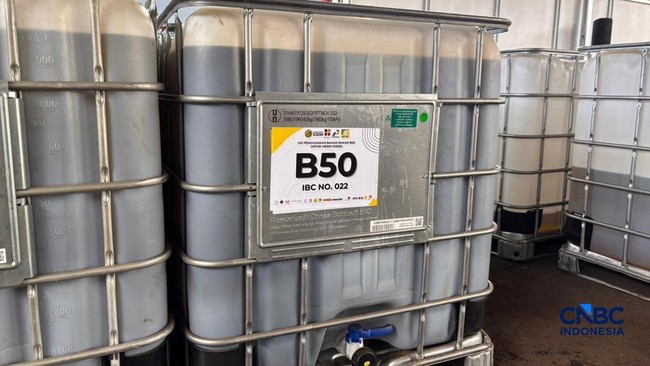
The implementation of B50 biodiesel is certain not to cause significant disruptions, either to the automotive sector or other industries. The government states that technological readiness is adequate.
“There are no issues with B50 for motor vehicles, whether commercial or passenger,” said Acting Director General of Agro at the Ministry of Industry, Putu Juli Ardika, when met at the Ministry of Industry office in Jakarta on Wednesday (22/4/2026).
Putu explained that the use of biodiesel has undergone various previous testing stages. Experience from the implementation of B30 and B35 forms the basis for this optimism.
“It has been tested for a long time, starting from B5, B10, B30 up to B35, so this is just a continuation,” he said.
He also highlighted the development of vehicle component technology that increasingly supports biodiesel use. One of them relates to the fuel filtration system.
“The filtration technology now is even better, so its lifespan is longer,” he explained.
From the supply side, the government ensures that raw material availability will not be a problem. Priority will be given to supporting the energy programme.
“The feedstock must be prioritised, so there are no issues regarding its availability,” said Putu.
Nevertheless, he acknowledged that cross-sector coordination is still needed to ensure optimal implementation. This includes the energy, industry, and transportation sectors.
The government is also continuously monitoring the impact on other sectors such as food and cosmetics. However, so far, there are no indications of significant disruptions.
In addition, support for the domestic industry is also part of the long-term strategy. The biodiesel programme is expected to strengthen national energy resilience.
With technological readiness and supply, the implementation of B50 is seen as a realistic next step. The government is optimistic that it will not disrupt economic activities.
“With the existing readiness, this programme can run without significant problems,” said Putu.
He emphasised that this policy still prioritises a balance between energy needs and national industrial sustainability.
“The important thing is that everything has been prepared, so the implementation can go well,” he concluded.