
Iraqi Militia Orders Members to Prepare for Prolonged Iran-US War
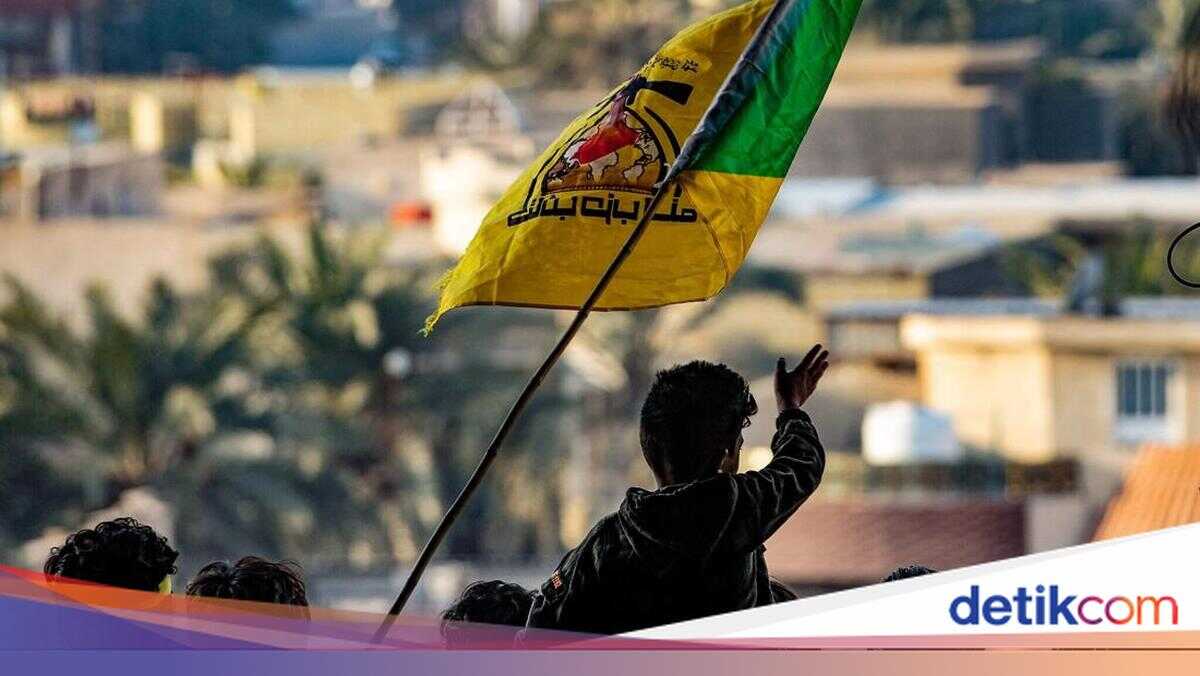
Kataib Hizbullah, an influential Iran-backed Iraqi militia group, has ordered its fighters to prepare for a potential prolonged conflict scenario in Iran, should the United States launch military operations in the region.
In its latest statement, reported by AFP on Friday (27 February 2026), Kataib Hizbullah also warned the US of “major losses” should they initiate war in the area. One of the armed group’s commanders told AFP that the group was “very likely” to intervene if Iran came under attack.
“Amid American threats and military escalation demonstrating dangerous escalation in the region, all fighters must be prepared to face the potential for a prolonged war of attrition,” Kataib Hizbullah stated.
An unnamed Kataib Hizbullah commander told AFP that his group views Iran as strategically vital to their own interests, and therefore any attack on Tehran “directly threatens us”. This represents a notable shift in positioning, as Iraqi armed groups, which face US sanctions, did not intervene during the 12-day conflict between Iran and Israel last year.
However, this time, according to the Kataib Hizbullah commander, the group would “reduce its restraint”, particularly if an attack aimed at overthrowing the Iranian regime were to occur.
During the Israel-Hamas war in Gaza, Iran-backed Iraqi militias launched a series of attacks against US military forces deployed in the Middle East and Israeli targets, although most of these attacks failed. Under pressure from the United States and growing domestic pressure, such attacks ceased and pressure on Iraqi armed groups to disarm intensified.
Iran-backed armed groups in the region form part of the “axis of resistance”, which also includes Hizbullah in Lebanon, Hamas in Gaza, and the Houthis in Yemen.
This week, a Hizbullah official told AFP that his group would not intervene militarily in the event of “limited” US strikes on Iran, but emphasised they would regard any attack on Iran’s Supreme Leader, Ayatollah Ali Khamenei, as a “red line”.