
Iraq Resumes Oil Exports, Not Through the Strait of Hormuz but Turkey
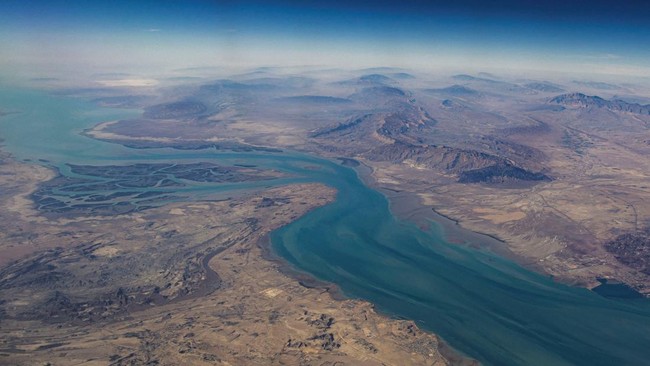
Iraq has resumed exporting crude oil in limited quantities through Turkey after production and distribution activities were disrupted by the closure of the Strait of Hormuz.
The Iraqi government stated on Wednesday (18/3/2026) that exports have restarted with an initial volume of around 250,000 barrels per day through Turkey’s Ceyhan port. This route serves as an alternative after the main route in the Gulf was disrupted.
The state-owned North Oil Company confirmed the resumption of operations.
“We have begun operating the Sarlo pumping station to continue pumping and exporting Kirkuk oil to the Ceyhan port with an initial capacity of 250,000 barrels per day,” the company stated, as quoted by AFP.
As one of OPEC’s founding members, Iraq relies heavily on oil exports. Approximately 90% of the state’s budget revenue comes from crude oil sales. Before the conflict erupted on 28 February, Iraq exported around 3.5 million barrels per day, mostly from the southern Basra oil fields through the Strait of Hormuz.
However, Iran’s closure of the Strait of Hormuz, a vital route for about one-fifth of global crude oil and liquefied natural gas supplies, forced Iraq to seek export alternatives.
The Iraqi government then accelerated negotiations with the Kurdistan Regional Government (KRG) to reopen the pipeline route through that autonomous region to the Ceyhan port. An agreement was finally reached after lengthy talks and several conditions from the Kurdish side.
The Kurdistan Ministry of Natural Resources stated that the Sarlo oil station began operations at 06:30 local time to support the flow of oil through the regional pipeline to Turkey.
Iraq is also still working to reopen access through the Strait of Hormuz. Iraqi Oil Minister Hayan Abdel Ghani said the government is communicating with Iran to arrange passage for Iraqi oil tankers to resume transiting those waters.