
Iran’s War Shakes Dubai as the Rich Flee in Droves
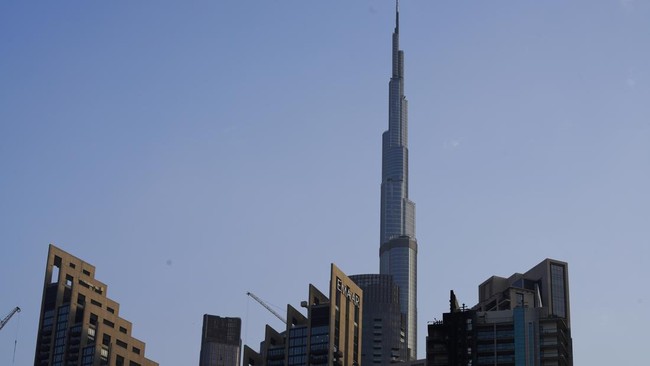
Dubai, UAE — The conflict between the United States and Israel against Iran is beginning to shake Dubai’s position as a global wealth hub in the United Arab Emirates. The city, which in the past decade has become a magnet for billionaires and global investors, now faces a wave of departures by wealthy expatriates worried about regional security.
Data from Henley & Partners show the millionaire population in the city has more than doubled since 2014, to over 81,000. Dubai is also home to about 237 centimillionaires, individuals with wealth above US$100 million, and at least 20 billionaires.
In 2025 alone, around 9,800 millionaires moved to Dubai, bringing combined wealth of about US$63 billion. This makes it one of the world’s top destinations for the rich to migrate.
However, in the past week, Dubai’s five-star Fairmont The Palm hotel, located on the palm-tree-shaped artificial islands, was struck by a blast. Debris from an Iranian drone that fell set fire to the Burj Al Arab hotel, and Dubai International Airport was damaged by a missile strike.
The US Consulate in Dubai was also hit by a drone. The war is said to have disrupted the peace there.
‘The US-Israel war against Iran disrupts the very security aura that Dubai relies on,’ said a researcher at Rice University's Baker Institute, Jim Krane, as quoted by CNBC International on Sunday (8 Mar 2026).
‘Dubai's economic model rests on expatriate residents providing intelligence, labour, and investment capital. You need stability and security to attract smart foreigners,’ he said.
Dubai and UAE leaders are trying to reassure investors. The UAE's National Crisis and Emergency Management Authority said on Saturday that the situation is ‘under control’.
Dubai police this week threatened to arrest and jail social media influencers who share content ‘contrary to official announcements or that could cause social panic’. But this could not stop the wealth from leaving.
Demand for private jets has risen
Since US and Israeli air strikes on Iran on 28 February, and Iran's drone strikes on Israel and American military bases in the Arab world including those in the UAE in response, aircraft rental companies reported that demand for private jets far outstrips available seats and flights.
Vimana Private Jets CEO Ameerh Naran said brokers had received more than 100 client inquiries in a single night. He said he hadn't seen demand like that since the pandemic.
‘Jets from Riyadh to Europe can cost up to US$350,000,’ he said.
‘They do not feel unsafe,’ he said.
‘Life is almost normal, apart from a little extra noise in the background with all these missiles. But life must go on. They need to travel.’
Similar to Ukraine
Dale Buckner, CEO of Global Guardian, a security company and former Green Beret, said the exodus shows no signs of slowing. On Tuesday morning, Buckner said the company had seven corporate clients including financial firms and large consultancies seeking to evacuate 1,000 to 3,000 staff.
‘This is very similar to Ukraine,’ he said.
‘I think everyone has realised that Iran has targeted five-star hotels and airports on a large scale, and now they are starting to take out oil infrastructure,’ he added.
‘I can't believe anyone thought this would happen.’
Property could be rattled
Geopolitical tensions could also put pressure on Dubai's luxury property market, which had surged over the past five years. The Golden Visa programme, granting 10-year residence to property buyers of around US$550,000, had driven a surge in real estate transactions.
But Fitch Ratings had warned of a potential property price correction in 2025-2026. Fitch analysts said exodus of expatriates due to the conflict could add pressure to Dubai's housing market, especially if tensions persist.
Nevertheless, many investors view Dubai's appeal as not entirely gone. Its low taxes, investor-friendly business regulations, and a stable financial sector remain the main reasons the global wealthy base their assets there.
(sef/sef) Add as a preferred source on Google [Video CNBC]