
Iran's Strategy in the Strait of Hormuz: How It Keeps the US and Israeli Militaries Off-Balance
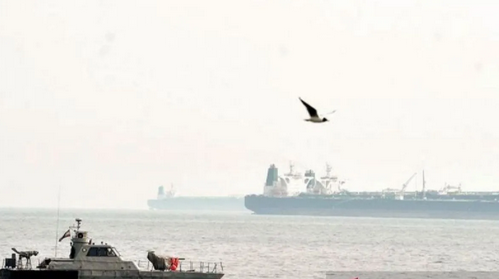
Although the United States and Israel possess military supremacy in the air and at sea, controlling the Strait of Hormuz remains a geopolitical challenge that is nearly impossible to resolve unilaterally. Until March 2026, an international coalition remains the primary option for safeguarding the world’s most vital oil route.
The Strait of Hormuz is characterised by narrow and shallow waters. Iran’s mountainous coastline along the northern shore of the strait provides an ideal position for anti-ship missile batteries and radar systems. American aircraft carriers, designed for combat on the open ocean, become sitting ducks in the confined waters of the strait.
Iran employs an “quantity over sophistication” approach, relying on advanced sea mines and coastal defensive systems rather than matching Western technological capabilities.
Any frontal military effort to seize the strait would immediately halt oil supplies. The consequences extend far beyond Iran, affecting the global economy. World oil prices could surge dramatically within hours, triggering financial crises in Western nations themselves. This is precisely why the United States is extremely cautious about taking direct military action.
The involvement of countries such as Britain, France, and Japan is not merely about adding firepower, but rather about sharing the burden of maintaining regional stability and demonstrating international consensus on maritime freedom.
The Strait of Hormuz represents the intersection where advanced military technology meets harsh geographic and economic realities. The United States and Israel recognise that seizing control of the strait from Iran without international allied support would only trigger a global economic catastrophe that would ultimately damage their own national interests.
Modern Iranian sea mines are difficult to detect because they are made of non-magnetic materials and can be placed on the ocean floor, awaiting acoustic signals from specific vessels before detonating. Several land pipelines exist in Saudi Arabia and the UAE, but their capacity cannot accommodate the entire volume of oil that normally passes through the strait, making dependence on Hormuz absolute.