
Iran's Oil Exports Surge Threefold Amid US Threats
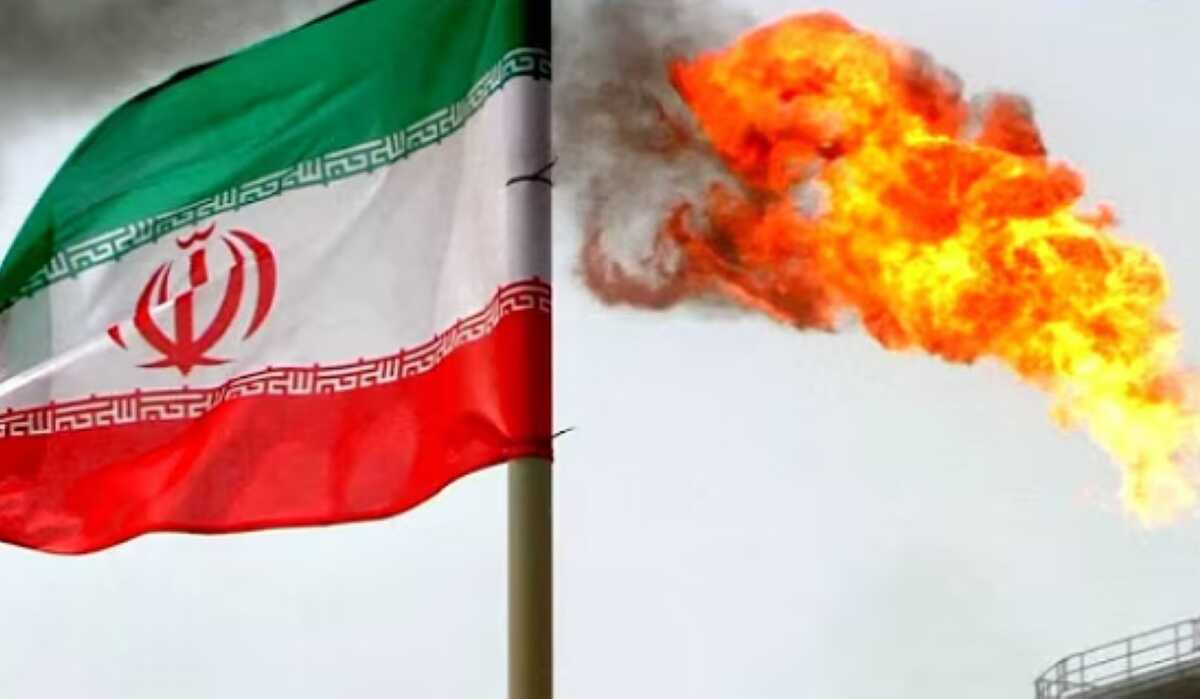
Iran has increased oil exports nearly threefold from its normal average through its main Kharg Island terminal, amid threats of attack from US President Donald Trump. This spike in shipments is viewed as an anticipatory step against potential supply disruptions to the global market.
Data from energy trade tracking company Kpler showed Iran’s oil exports from Kharg Island reached nearly 20 million barrels during the 15–20 February period. The island is the principal export terminal handling approximately 90 per cent of Iranian oil shipments to various countries.
Bloomberg reported that this volume equated to over 3 million barrels per day, nearly treble compared to the same period in January. By comparison, Iran’s average oil exports over the preceding three months were recorded at approximately 1.54 million barrels per day.
The increase in shipments occurs amid rising tensions between Tehran and Washington. US President Donald Trump has repeatedly threatened military strikes should Iran fail to reach a new agreement regarding its nuclear programme. Trump demands that Iranian uranium enrichment be reduced to zero and strict limitations on ballistic missile production.
Conversely, the Iranian government asserts that missiles constitute part of its national defence system. Tehran has repeatedly stated that its nuclear programme is developed for peaceful purposes, not military ones. Additionally, Iran has expressed its readiness to remain under the oversight of the International Atomic Energy Agency to ensure transparency of its nuclear programme.
Iran is not the only regional country adjusting its energy strategy. Saudi Arabia has reportedly increased oil production and exports as an emergency measure should attacks on Iran genuinely disrupt global supplies. These anticipatory steps by major Middle Eastern producers reflect market concerns about potential energy distribution disruptions, which could trigger a rapid surge in global oil prices.