
Iran's Foreign Minister Confirms Ayatollah Mojtaba Khamenei is Well, IRGC Vows to Pursue Netanyahu
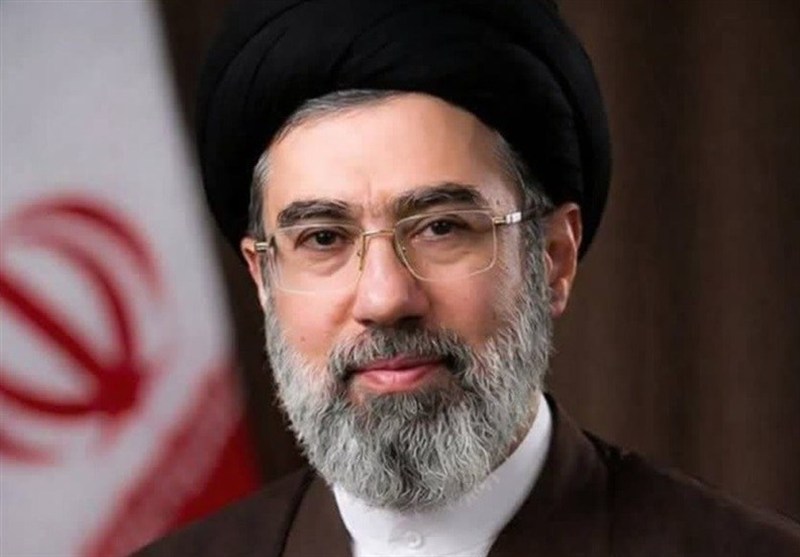
The Iranian government has affirmed that the leadership transition in the country is proceeding stably amid heightened regional tensions. Iran’s Foreign Minister has provided assurances that the new Supreme Leader of Iran, Ayatollah Mojtaba Khamenei, is in good health and maintains full control of state affairs.
This statement was issued to quell global speculation regarding Iran’s internal stability following the change of leadership, as well as American claims that Mojtaba Khamenei has been injured in attacks. “The Supreme Leader is in good health and is actively carrying out his state duties,” the Foreign Minister stated in an interview with Al Araby Al Jadeed, as reported by TASS on Sunday, 15 March.
However, at the same time, the Islamic Revolutionary Guard Corps (IRGC) issued hardline statements that escalated conflict tensions. The IRGC vowed to continue pursuing Israeli Prime Minister Benjamin Netanyahu, amid swelling speculation regarding the Israeli leader’s whereabouts.
In its latest statement, the IRGC highlighted the uncertainty surrounding Netanyahu’s fate as a sign of crisis within Israel. “The unknown fate of the criminal Zionist Prime Minister, along with the possibility of his death or flight with his family from occupied territories, demonstrates the increasingly fragile situation of the Zionist entity,” the official IRGC statement declared.
This tension stems from a series of increasingly open military confrontations between the two sides in recent weeks. Iran has indicated that their military and intelligence operations will not cease until their strategic objectives are achieved.
The regional situation is now under close scrutiny by the international community, as any shift in power or attacks on national leaders could trigger wider-scale military escalation in the Gulf region.