
Iran's Conditions for Vessels Wishing to Transit the Strait of Hormuz
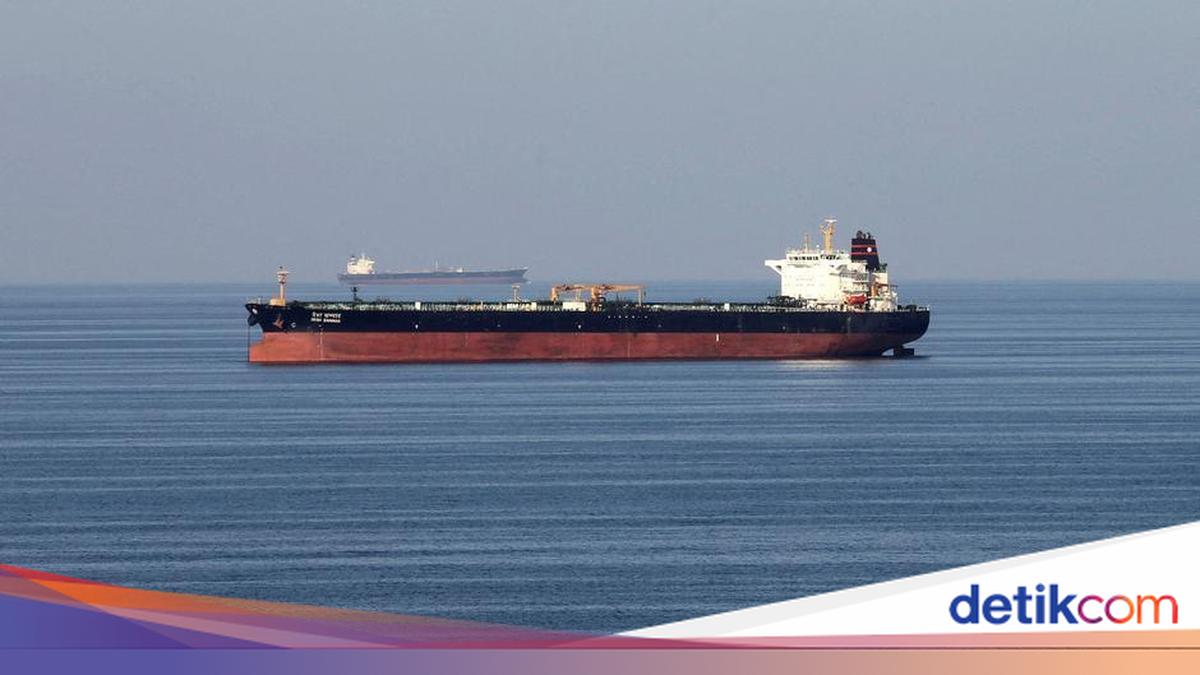
Iran has closed the Strait of Hormuz following attacks by the United States and Israel in late February. Iran is now offering countries conditional access to this strategically vital global oil trade route.
The Islamic Revolutionary Guard Corps (IRGC) stated in an announcement broadcast on Iran’s state television IRIB on Tuesday (10 March), as reported by The Guardian and CNN, that countries would gain unobstructed access to transit the Strait of Hormuz if they expel the American and Israeli ambassadors from their territories.
“Any Arab nation or European country that expels the Israeli and American ambassadors from its territory will have full freedom and authority to transit the Strait of Hormuz from tomorrow onwards,” the IRGC said in its announcement on Monday evening (9 March).
The Strait of Hormuz has been closed since the United States and Israel launched large-scale air strikes against Iran on 28 February. Tehran responded with waves of missile and drone attacks targeting Israeli and Gulf state positions hosting American military assets.
These attacks, following the outbreak of war in late February, have nearly completely halted traffic through the Strait of Hormuz, a critical waterway for oil and other commodities. The Strait of Hormuz is a strategically important sea lane that typically handles approximately 20 percent of global oil trade and global liquefied natural gas export volumes. However, according to analytics company Kpler, which operates the MarineTraffic platform, tanker traffic there has declined by 90 percent within a week.
The ongoing conflict between Iran, the United States and Israel has driven oil prices above $100 per barrel. This increase stems not only from the Strait of Hormuz closure but also from slowed oil production across the Middle East.
US President Donald Trump previously issued a stern warning to Iran regarding the closure of the Strait of Hormuz, threatening to hit Iran tens of times harder if the blockade of oil flows through the strategic waterway continues.
However, IRGC spokesperson Ali Mohammad Naini, in a statement cited by news agency Tasnim and reported by The New Indian Express, stressed that Iranian forces will not permit oil exports from the region to American and Israeli allies while the war continues.
He stated that any changes will occur based on conflict conditions.
“The Iranian Armed Forces will not permit a single litre of oil exports from the region to the enemy and its allies until further notice,” Naini said firmly.