
Iran's Ambassador: The Strait of Hormuz Will Not Be Closed, It Remains Open
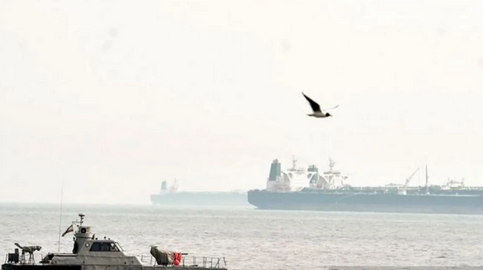
Iran’s Ambassador to Indonesia, Mohammad Boroujerdi, has reaffirmed that the Strait of Hormuz remains open for international shipping despite mounting tensions in the Middle East. He dismissed earlier reports that Iran had closed the strait, which had sparked concerns in global energy markets. Boroujerdi told reporters in Jakarta on Thursday, 5 March 2026, that Iran only imposes additional navigational rules for vessels transiting the strategic channel.
‘The Strait of Hormuz is not closed; it remains open,’ Boroujerdi stated. His remarks respond to previous claims that Iran had shut the strait, a development that would have profound implications for Asia’s energy security.
He added that ‘parties that comply with traffic protocols during wartime can pass through Hormuz easily.’ Iran, he said, has safeguarded the strait’s security for centuries, and the principle of safety must apply equally to all countries. The Strait of Hormuz is a vital corridor that handles about one-fifth of global oil trade.
‘We are the parties ensuring security at Hormuz; we apply protocols to all nations. This security must apply to everyone, including Iran, or else no country should benefit if conditions are unsafe,’ Boroujerdi argued.
Boroujerdi also blamed the presence of the United States military in the region as a source of instability: ‘Those worried about the closure should ask the United States. They come from very far east to the Middle East, and then disrupt security in the Strait of Hormuz.’
The crisis surrounding the Strait of Hormuz has reached a critical point. By Tuesday, 3 March, reports indicated that 706 tankers — both Iranian and non-Iranian — were held up on either side of the strait, threatening to choke the world’s energy arteries. Data from ship-tracking firm Kpler shows the congestion resulting from escalations between Iran, the United States, and Israel since the end of February 2026.
The vessels are now observed waiting at various points in the Persian Gulf to the strait’s west, the Gulf of Oman to the east, and the Arabian Sea. Skippers and shipping firms have chosen to drop anchor outside danger zones amid the threat of attacks and rising insurance premia.
Boroujerdi’s comments come as Iran maintains it has safeguarded Hormuz and as global markets monitor the potential repercussions on supply routes and pricing.