
Iranians’ Story of Survival Amid War and Internet Blockade
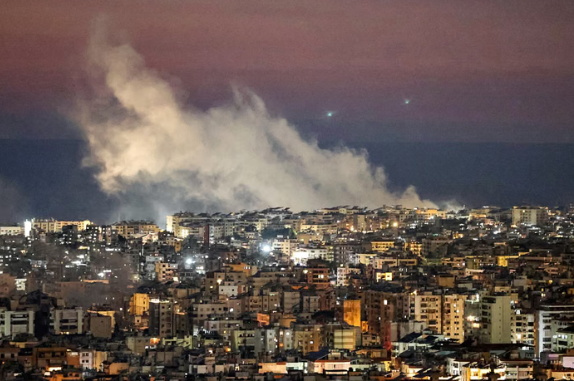
Under a sky churned with billowing clouds of black smoke and the thunder of missile blasts, Tehran’s residents are struggling merely to survive. Since Saturday (28 February), waves of air strikes by the United States and Israel have continued to bombard the Iranian capital, killing more than 1,000 people and crippling the activities of a city home to around 10 million people.
For residents like Sepehr in eastern Tehran, the blasts that shake the glass of his windows have become a daily sight. Although terrified, he chooses to stay put.
“War may last for weeks, so my family and I will only leave if conditions become too bad. For now, life must go on,” Sepehr told Al Jazeera.
Similar scenes have unfolded across Tehran, a city with a population approaching 10 million. US and Israeli missiles have fallen in succession during waves of attacks that have occurred around the clock.
Iranian officials said on Thursday that several water and electricity facilities had been damaged by projectiles and urged residents to conserve resources. So far there have been no reports of widespread power outages.
Beyond the threat of missiles, Iranians face an adversary no less deadly: hyperinflation. Marjan, a resident in the western region, describes how she must rush to shops during bombing pauses only to find prices rising to absurd levels.
“Unless a few goods are in shorter supply, shops largely have everything you want for now, but who knows what might happen later? In any case, the prices are choking the population,” Marjan said.
Tehran authorities have cut global internet access for six consecutive days, creating an ‘Orwellian’ situation where information is sourced only from state propaganda.
The mass internet shutdown began shortly after the Saturday morning air strikes that killed the Supreme Leader Ayatollah Ali Khamenei along with his family and several senior military figures. According to data from NetBlocks and Cloudflare, internet connectivity in Iran plunged to below 1 per cent.
Iranian telecommunications authorities were reported to begin sending text messages threatening legal action against residents caught trying to use or share VPNs. The judiciary has also begun silencing the remaining freedoms of expression online by closing comment sections on popular sites such as Zoomit.
This situation has given rise to a black market for internet connectivity. Although slow and expensive, some residents have resolutely bought illegal proxies to obtain information from abroad.
The government has also urged residents to act as ‘eyes and ears’ by reporting suspicious activity or sightings of foreign jets. To date, there is no clarity on when this internet blockade will end, even as domestic political uncertainty continues to mount.